Morning strolls through the National Archaeological Museum
I woke up with the first light filtering through my hotel curtains this morning, the gentle Athens sunshine already promising another beautiful spring day. After yesterday's early visit to the Acropolis, I was determined to make the most of the morning hours again - this time at the National Archaeological Museum.
Breakfast at the hotel was simple but satisfying: Greek yogurt with honey (which puts our Norwegian versions to shame), fresh bread, and a strong coffee that I savored while planning my route. The receptionist mentioned the museum opens at 8:00, so I made sure to leave by 7:40.
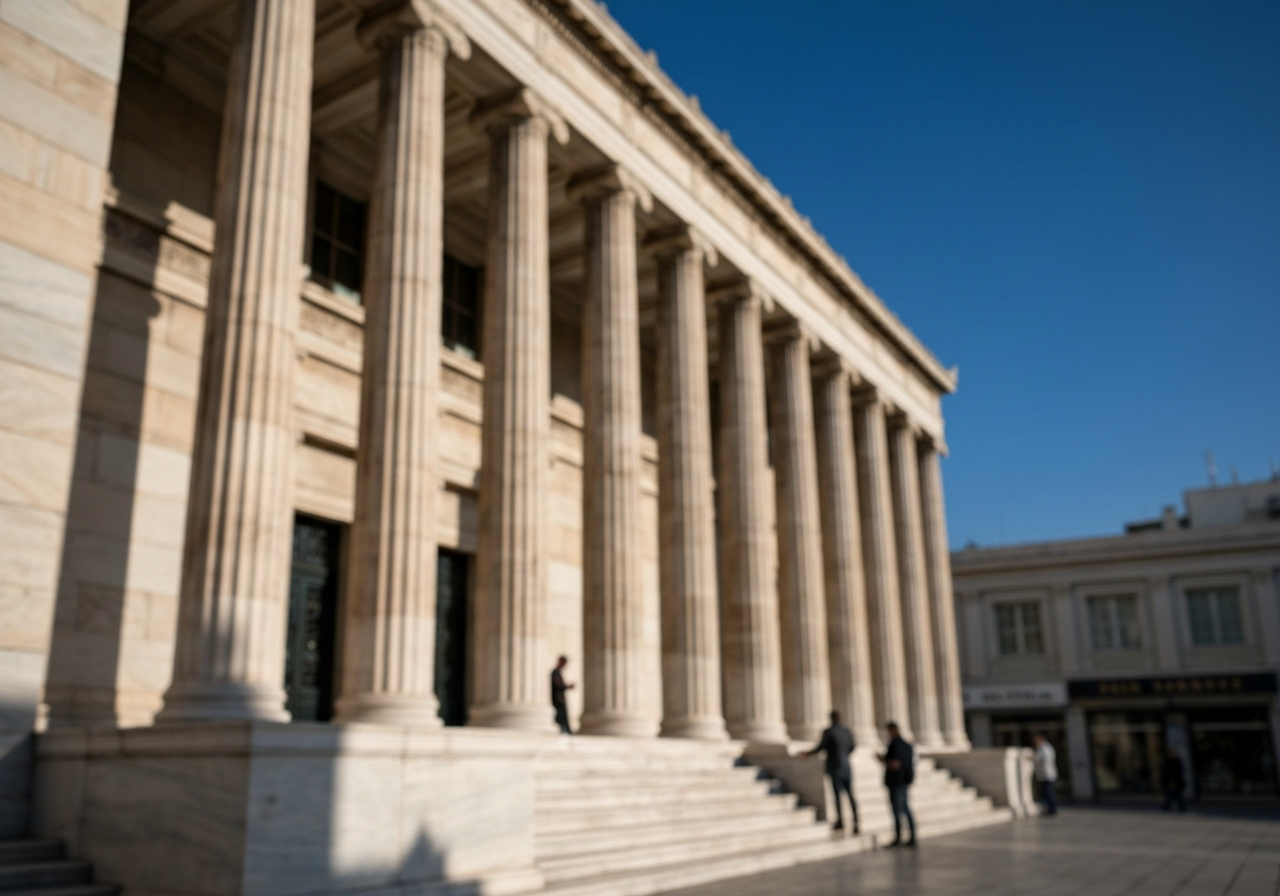
The streets of Athens were just coming to life as I walked toward the museum. Shop owners setting up displays, café workers arranging tables on sidewalks, and the occasional local hurrying to work. I arrived at 7:50 - the museum wasn't yet bustling with visitors, exactly as I'd hoped.
Faces from the ancient world
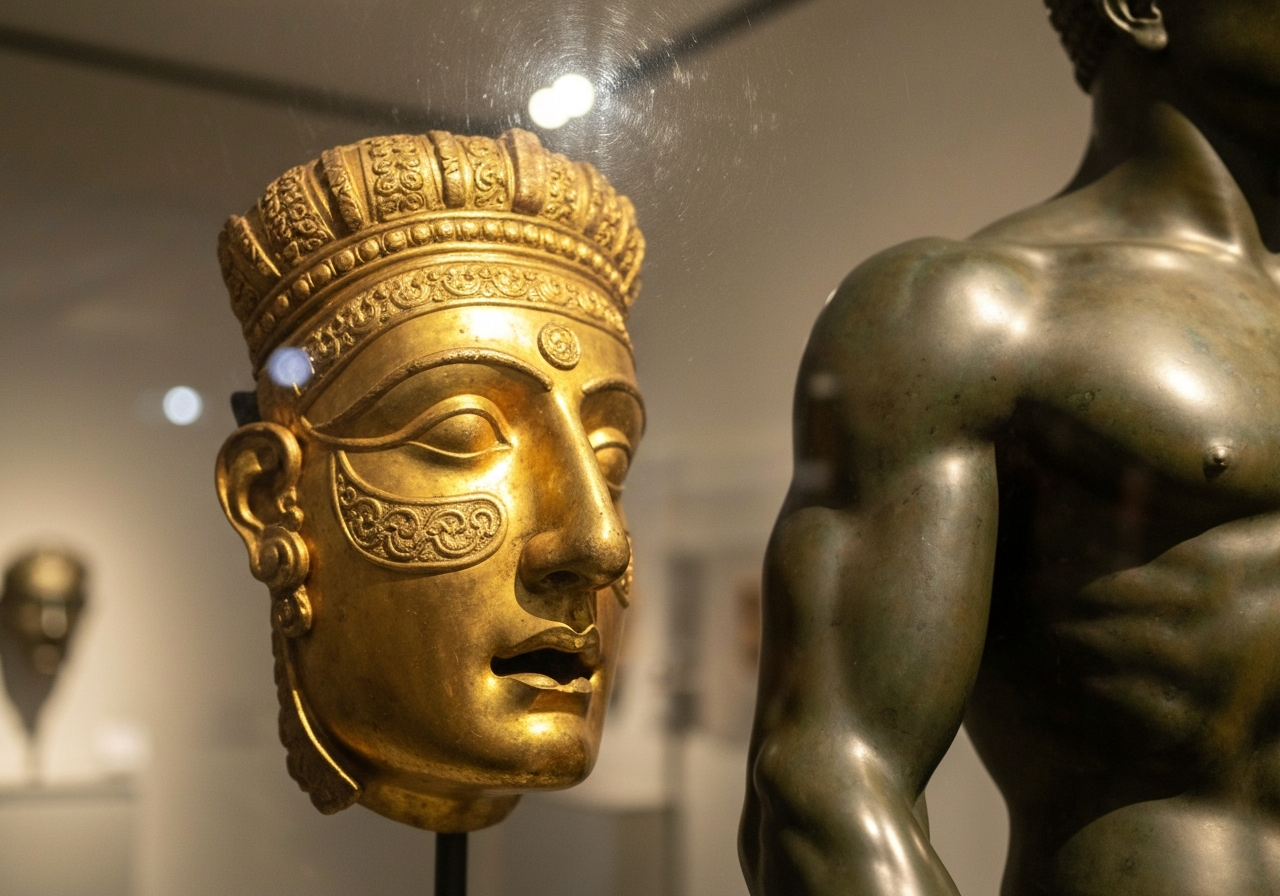
Walking through the grand entrance, I was immediately struck by the vastness of the collection. Over 11,000 exhibits spread across multiple floors, telling the story of Greek civilization from prehistory to late antiquity. I decided to focus on the sculpture collection first, wanting to see the famous Artemision Bronze and the gold mask of Agamemnon before the inevitable crowds arrived.
Standing before these ancient artifacts, I couldn't help but feel a profound connection to the past. These weren't just objects in glass cases - they were windows into another time. The detail in the bronze Zeus (or Poseidon, as the debate continues) is remarkable, capturing power and movement in frozen metal. The craftsmanship achieved without modern tools is humbling.
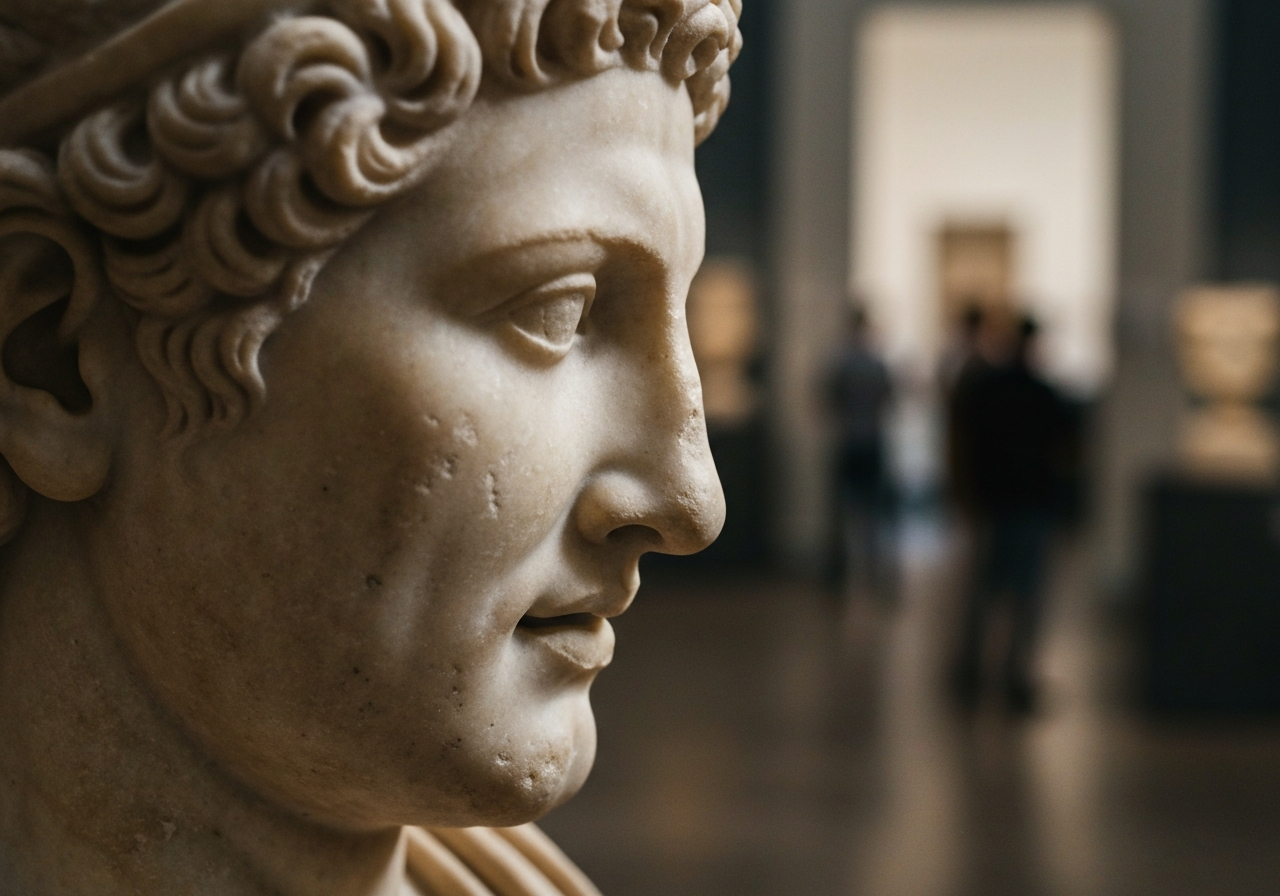
What struck me most was the humanity in these ancient faces. The kouros statues with their enigmatic smiles, the furrowed brows of philosophers, the serene expressions of gods - all created by hands that turned to dust thousands of years ago. Yet their work speaks to us still.
Reflections on preservation and ownership
As I wandered through the Mycenaean collection, I overheard a guide discussing the ongoing debate about the Parthenon sculptures currently housed in the British Museum. After yesterday's visit to the Acropolis, the conversation felt particularly relevant.
There's something bittersweet about seeing these treasures displayed in their home country while knowing others remain elsewhere. The question of where cultural artifacts truly belong isn't simple. Should they return to their place of origin? Or do they now belong to the world, to be shared across borders?
I found myself thinking about this as I examined a delicate gold funeral mask. Who would this person have been? What would they think about their burial goods being displayed in a museum thousands of years later? And would they care which country housed them?
A moment of technological irony
In a quiet corner of the museum, I noticed an older couple struggling with their audio guide. The woman was pressing buttons frantically while her husband looked increasingly frustrated. Without thinking, I offered to help.
"Sometimes these devices need a restart," I explained, showing them how to reset the unit. "Technology can be stubborn sometimes."
They thanked me profusely - Margaret and John from Australia, visiting Athens for the first time. We chatted briefly about the museum's highlights before parting ways. These small connections are one of travel's unexpected pleasures.
Thoughts on overtourism
By 9:00, the museum was noticeably busier, with tour groups forming small islands around popular exhibits. I overheard snippets of conversations in at least six different languages as I made my way toward the exit.
I couldn't help but think about the news I'd read this morning about Mayor Doukas expressing concerns over Athens becoming a "giant hotel" due to overtourism. With over 8 million tourists annually in a city of about 3 million residents, the concern seems valid.
As a traveler myself, I'm part of this phenomenon. I try to be respectful - visiting sites early, supporting local businesses, learning a few Greek phrases - but I'm still another foreigner taking photos and occupying space. The balance between tourism's economic benefits and its impact on local life isn't easily solved.
Now I'm sitting at a small café near the museum, finishing my second coffee of the day and watching Athens go about its Tuesday morning. The weather is perfect - 19°C with clear skies. I'm planning to explore the neighborhood of Exarcheia this afternoon, known for its street art and counterculture vibe.
With only two more days before I leave Greece, I'm feeling both satisfied with what I've seen and wistful that there's never enough time to see it all. Two hundred and forty-five days into this journey, and I still haven't mastered the art of saying goodbye to places.
Perhaps that's as it should be.