Early morning temple light
The alarm went off at 5:30. I was awake anyway.
There's something about being in a new place that resets my internal clock. Even after two full days in Nara, my body still thinks it should be alert before dawn. In Norway, I'd fight this. Here, I've learned to work with it.
I dressed quietly in the dark hotel room, grabbed my camera, and stepped out into the pre-dawn streets. The air was already warm—28°C according to my phone—but without the sun, it felt manageable. Pleasant, even.
Kasuga Taisha opens at 6:00. I've been planning to visit since I arrived, but yesterday's cat festival detour pushed it back. This morning felt right. No crowds, no tour groups, just the forest and whatever light filtered through those ancient trees I've been reading about.
The walk from my hotel took about twenty minutes. The streets were mostly empty except for a few elderly locals out for morning exercise and one delivery truck making its rounds. A woman sweeping the entrance to her shop gave me a small nod as I passed.
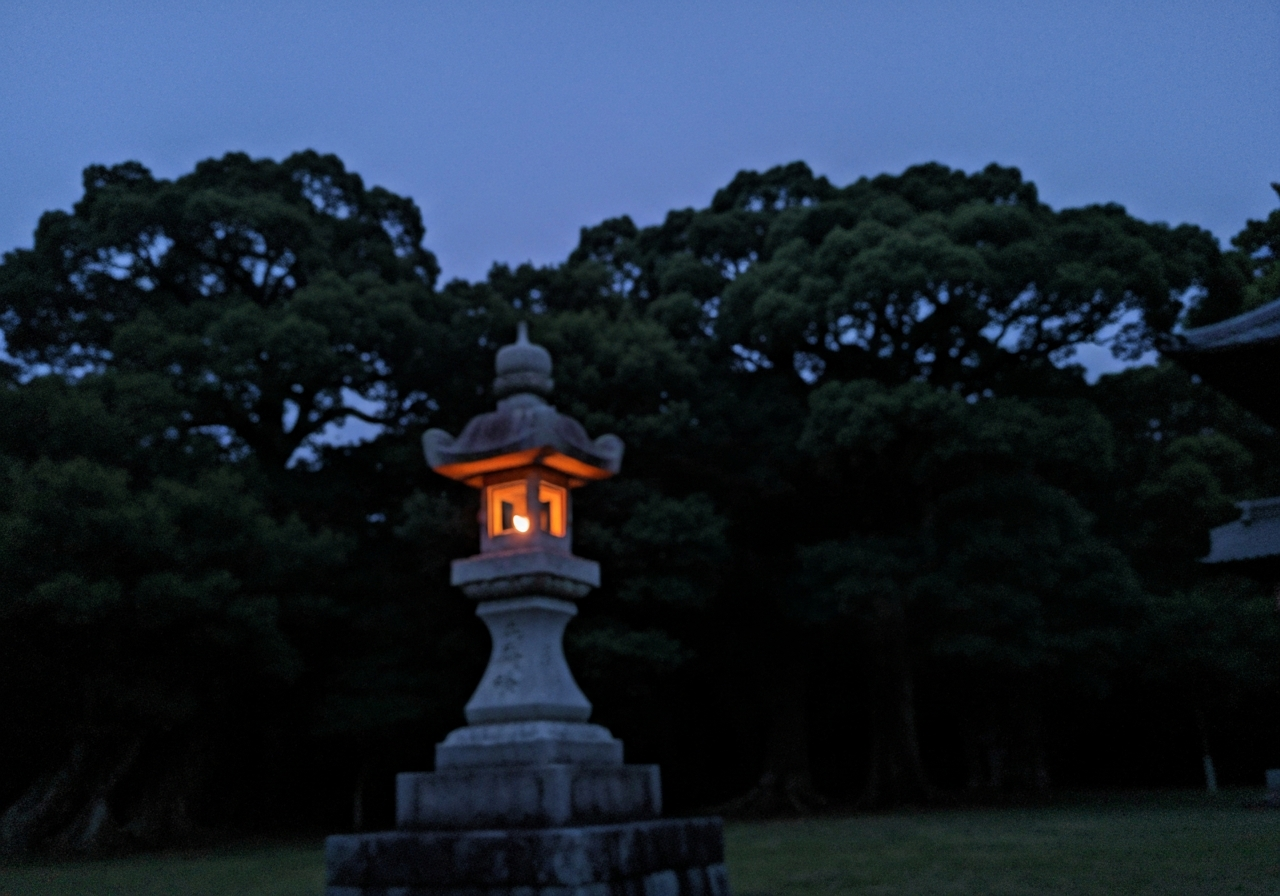
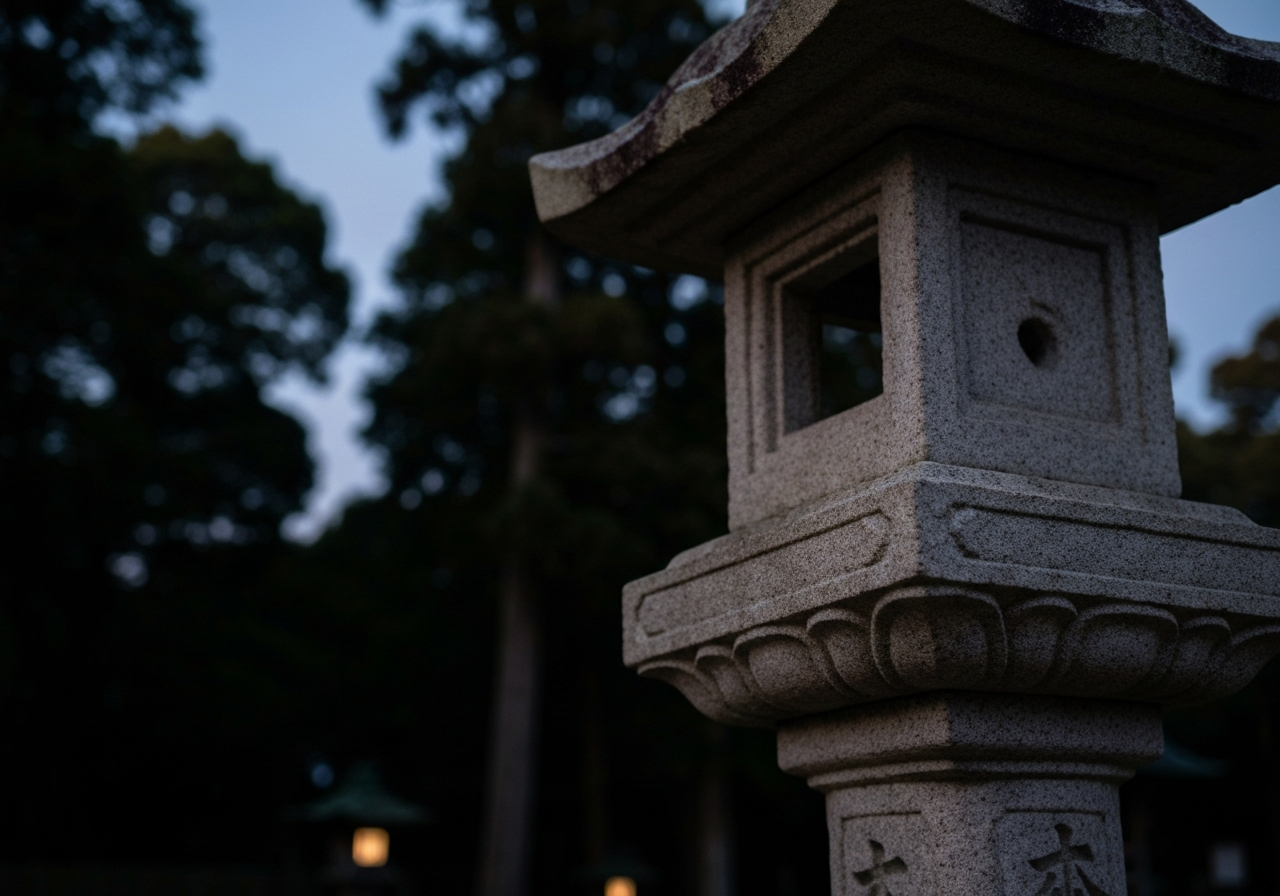
By the time I reached the shrine approach, the sky had shifted from black to deep blue. The stone lanterns lining the path were still lit, their soft glow competing with the growing daylight. There are over 3,000 of these lanterns along the paths and hanging in the shrine buildings—I'd read that before arriving, but seeing them in person is different. Each one donated by pilgrims over the centuries. Each one slightly different.
The forest here is dense. The path cuts through it like a tunnel, and even with dawn breaking, it felt dim and cool under the canopy. These trees—cedars and camphor, some over a thousand years old—this is what I came to Nara for. Well, partly. The deer and temples too, but especially the trees.
I didn't take photos of them, though. Not yet. I just walked.
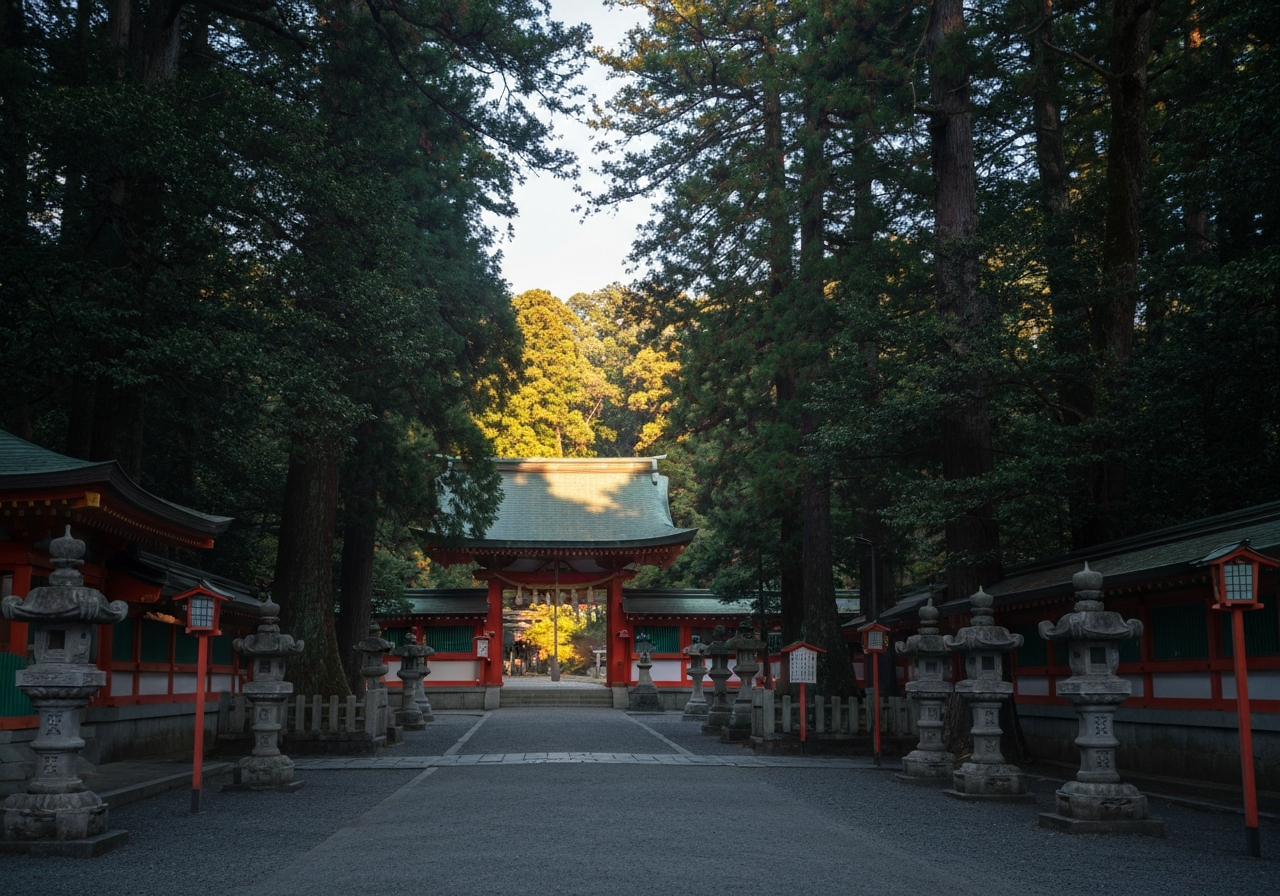
There's a point where the path opens up and you see the shrine's vermillion buildings through the trees. The timing was perfect—the first direct sunlight was just starting to catch the roof edges, turning them almost gold against the dark forest behind. I stopped there for maybe ten minutes, just watching how the light changed as the sun rose higher.
A few other early visitors arrived while I was standing there. An older Japanese couple, walking slowly and stopping frequently to look at the lanterns. A young woman in running gear who paused briefly before continuing down a side path. We didn't speak, but there was something communal about being there together in the quiet.
I paid the admission fee and entered the shrine grounds properly. The main hall was open, and a priest was already preparing for the day's ceremonies. I watched him work for a while—precise, methodical movements that looked like they'd been performed the same way for centuries. There's something calming about witnessing that kind of routine.
The famous hanging lanterns inside the halls were unlit, but somehow that made them more interesting. In the growing daylight coming through the doors, I could see their shapes more clearly—bronze and stone, decorated with family crests and inscriptions. During the lantern festivals in February and August, they light all of them. I tried to imagine what that must look like.
I wandered the grounds for about an hour. There are several smaller shrines scattered throughout the area, each with its own character. One dedicated to safe childbirth, another to maritime safety. People had left offerings—coins, written prayers, small bottles of sake.
At one point, I found myself completely alone on a side path. Just me and the trees and the early morning light filtering through the leaves. I stood there longer than I probably should have, just breathing. Trying to memorize the smell—damp earth and old wood and something green I can't quite name.
By 7:15, I could hear the forest waking up properly. Birds mostly, but also the distant sound of more visitors arriving. The moment was shifting from that sacred early morning quiet to something more ordinary. Still beautiful, but different.
I made my way back down the lantern-lined path. The sun was fully up now, and the temperature was already climbing. The forecast says it'll reach 33°C this afternoon, with clear skies. I'm glad I came early.
Near the entrance, I passed a group of school children just arriving with their teacher. They were excited, chattering and pointing at the deer that were starting to gather near the path. One of the deer was already bowing repeatedly at a tourist, clearly hoping for crackers. The contrast between the quiet reverence of the shrine and this lively morning energy made me smile.
I'm back at the hotel now, writing this before breakfast. My shoes are dusty from the forest paths, and I can still smell the incense from the shrine on my clothes.
There's a concert tonight at Kasuga Taisha—violin and bandoneon, starting at 6:30. I noticed the poster yesterday. Part of some music festival that's been running through May and June. I'm considering going. The idea of hearing music in that space, surrounded by those trees and lanterns... it seems like it might be worth the ¥6,000 admission.
But first, I need coffee. And maybe a proper breakfast. Then I'm thinking about Isuien Garden—I've been wanting to visit since I arrived. It's supposed to be small but carefully designed, the kind of place where you notice new details each time you look.
The restlessness I felt in Kyoto has settled. I'm not in a hurry to leave Nara. Not yet. There's still more to see, more early mornings to experience, more trees to stand beneath.
For now, I'm just grateful I woke up early enough to have the shrine mostly to myself. Some experiences are better witnessed in solitude, or at least in the quiet company of strangers who also understand the value of showing up before the world fully wakes.
The light is different here than in Kyoto. Softer somehow. Or maybe I'm just seeing it differently.
Either way, it's a good morning.