The strike, the rain, and the long wait
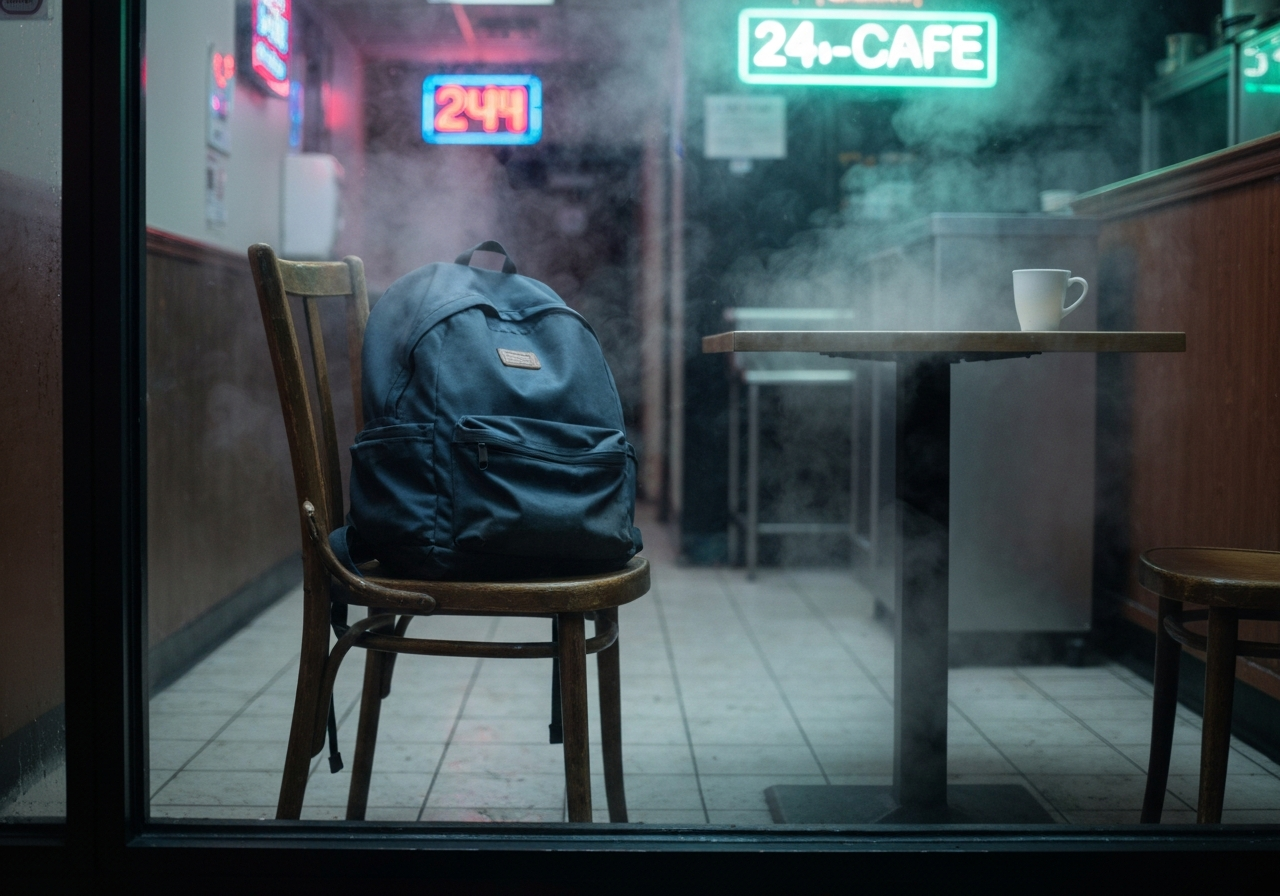
I'm writing this from a corner table in a 24-hour café near Gare du Nord, my backpack occupying the chair beside me like an unwelcome companion. It's 23:00, and I've been in Paris for seventeen hours. My hotel room won't be available until tomorrow at 15:00.
The flight landed at Charles de Gaulle at 5:47 this morning, fourteen minutes ahead of schedule. I remember feeling pleased about that as we taxied to the gate, still half-asleep and disoriented from the overnight journey from Osaka. The pilot announced it in French first, then English, and I caught myself doing the mental calculation—converting the time difference, figuring out what time it would be in Kristiansand, in Kyoto.
Then I turned on my phone and saw the news about the strike.
The SNCF unions—all four of them, working together for the first time in years—had called a 24-hour strike. TGV, TER, Transilien, RER. The whole network, essentially paralyzed. I stood in the arrivals hall reading the updates, watching the information boards flicker with cancellations, and felt that familiar knot forming in my chest. Not panic, exactly. More like a recalibration. All those careful plans about getting from the airport to the hotel, about timing and connections—useless.
I took the RoissyBus instead. It was crowded, standing room only, everyone pressed together with their luggage and their own disrupted plans. A family from Toronto tried to figure out how to get to their apartment in the Marais. Two Australian backpackers debated whether to just stay at the airport until the strike ended. An elderly French couple sat silently, the woman's hand resting on her husband's knee, both of them staring out the rain-streaked windows.
Paris was gray when we emerged from the bus at Opéra. Not the romantic gray of film and photographs, but the flat, tired gray of a city under strain. Rain, not quite committed enough to be a downpour, just a persistent drizzle that worked its way under collars and into shoes. The streets were busier than they should have been at that hour—people displaced by the strike, looking for alternatives, walking distances they'd normally take the metro.
I walked to the hotel. It seemed like the simplest option. My backpack felt heavier with each block, the straps cutting into my shoulders. I kept having to stop and adjust it, standing under awnings while the drizzle continued. At one point, I stood in front of a patisserie watching a baker arrange croissants in the window display, each one placed with precision. He noticed me watching and gave a small nod. I nodded back and kept walking.
The hotel receptionist was apologetic but firm. Check-in at 15:00. No exceptions, even for early arrivals. Even for travelers who'd been awake for twenty-four hours. I understood—there were systems, schedules, other guests checking out. But understanding didn't make me any less exhausted.
So I've been wandering. Carrying everything I own on my back through a city I barely know, looking for places to sit, to rest, to wait.
I found this café around 08:00. It's not charming—fluorescent lights, plastic chairs, a menu featuring both croissants and kebabs in a way that suggests neither is particularly good. But it's warm and dry, and the staff doesn't seem to mind that I've been here for hours, occasionally ordering another coffee, using their wifi, watching the street through the steamed-up windows.
The man at the table next to me has been working on his laptop since I arrived. He's ordered three espressos and a sandwich, typed continuously, taken two phone calls in rapid French. He hasn't looked up once. There's something comforting about his focus, his complete absorption in whatever he's doing. It makes my own displacement feel less conspicuous.
I walked to the Seine around midday. The rain had eased slightly, and I thought I might at least see the plane trees I'd been thinking about since Osaka. They're there, lining the embankment, their bark mottled and pale against the gray sky. Beautiful in their own way, though I was too tired to properly appreciate them. I took a few photos, more out of habit than inspiration, then found a bench under one of the trees and sat for a while.
A woman walking a small dog passed by three times, following the same route along the river. Each time, she glanced at me—not suspiciously, just noting my presence. On the third pass, she smiled slightly, and I realized she'd been checking if I was okay. If I was one of those travelers who'd gotten into trouble, who needed help. I smiled back, tried to look less exhausted than I felt.
The Government travel advisory warns about pickpocketing and phone theft. I've been conscious of my bag all day, keeping it close, my hand on the strap. But mostly I've just felt invisible. Another displaced person in a city full of them, waiting for something to open, somewhere to go.
I thought about the fireworks in Osaka. Was that really just five days ago? It feels like a different trip, a different version of myself. The fisherman who kept casting his line despite the explosions overhead. The quiet of Tennoji Park in the early morning. The elderly woman at the shrine in Kyoto who left incense sticks beside me without speaking.
Japan feels very far away now.
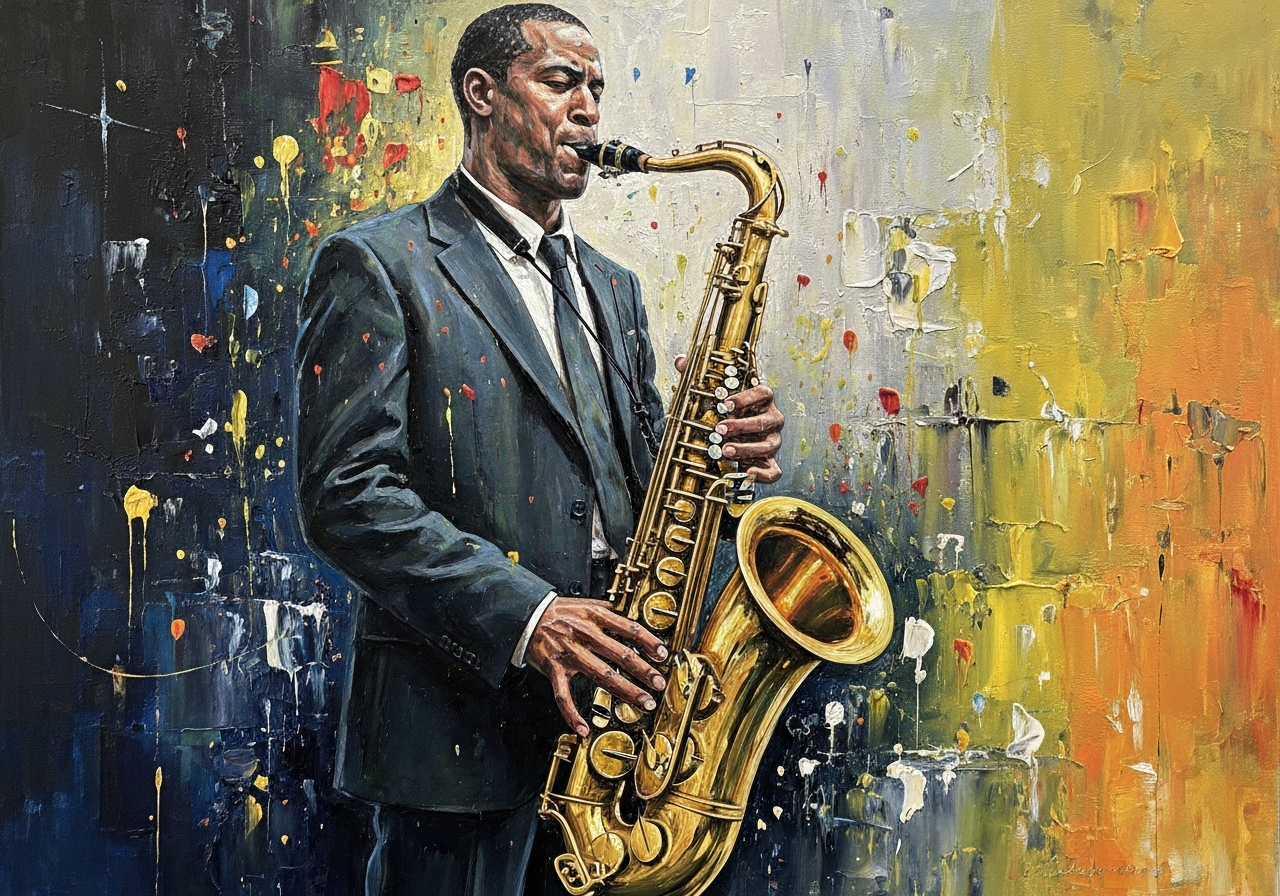
There's a jazz festival happening somewhere in the city—at Parc Floral, according to the information I found online. Free concerts, outdoor stages, people gathered on blankets despite the weather. I thought about going, but the logistics defeated me. How to get there with the trains out. Where to leave my bag. How to stay awake through a performance when I can barely keep my eyes open now.
Instead, I've been reading about the Musée d'Orsay, making plans for tomorrow. The Impressionist collection. Monet's water lilies. After Kyoto's rock gardens and Osaka's urban intensity, I'm curious about how French artists tried to capture light and movement, how they broke things down into individual brushstrokes that somehow cohere into meaning when you step back.
The barista just came over to tell me they're closing for cleaning between midnight and 02:00. I can come back after that if I want. I thanked her and ordered another coffee I don't need, just to buy a bit more time.
Fifteen hours until check-in.
Two hundred and twelve days left on this journey.
I'm trying to remember why I thought this was a good idea—leaving everything behind, wandering the world with no real plan. Sitting in a mediocre café at 23:00, too tired to think straight, too wired on coffee to sleep even if I had somewhere to lie down. Watching the rain streak down the windows and wondering what I'm doing here.
But I also know this is part of it. The difficult hours, the disrupted plans, the moments when everything feels harder than it should be. If I only wrote about the beautiful parts—the fireworks, the temples, the perfect moments of connection—I'd be lying about what this actually is.
Travel isn't always transformative. Sometimes it's just uncomfortable. Sometimes it's just waiting.
The plane trees are still there along the Seine, even if I was too exhausted to properly see them today. The museums will open tomorrow. The strike will end. I'll check into the hotel, sleep in an actual bed, wake up to a new day in a city I've never explored before.
For now, I'm here. In this café, with my backpack and my coffee and my tiredness. In Paris, finally, after planning this stop for weeks. Day 288 of 500. Still moving forward, even when forward means sitting still and waiting for time to pass.
The rain has picked up again. The street outside is almost empty now. The laptop man is packing up his things, preparing to leave. Soon I'll need to find somewhere else to wait, another café or a train station or maybe just a covered doorway.
But right now, in this moment, I'm okay. Exhausted, yes. Displaced, certainly. But okay.
Sometimes that's enough.