Standing before giants
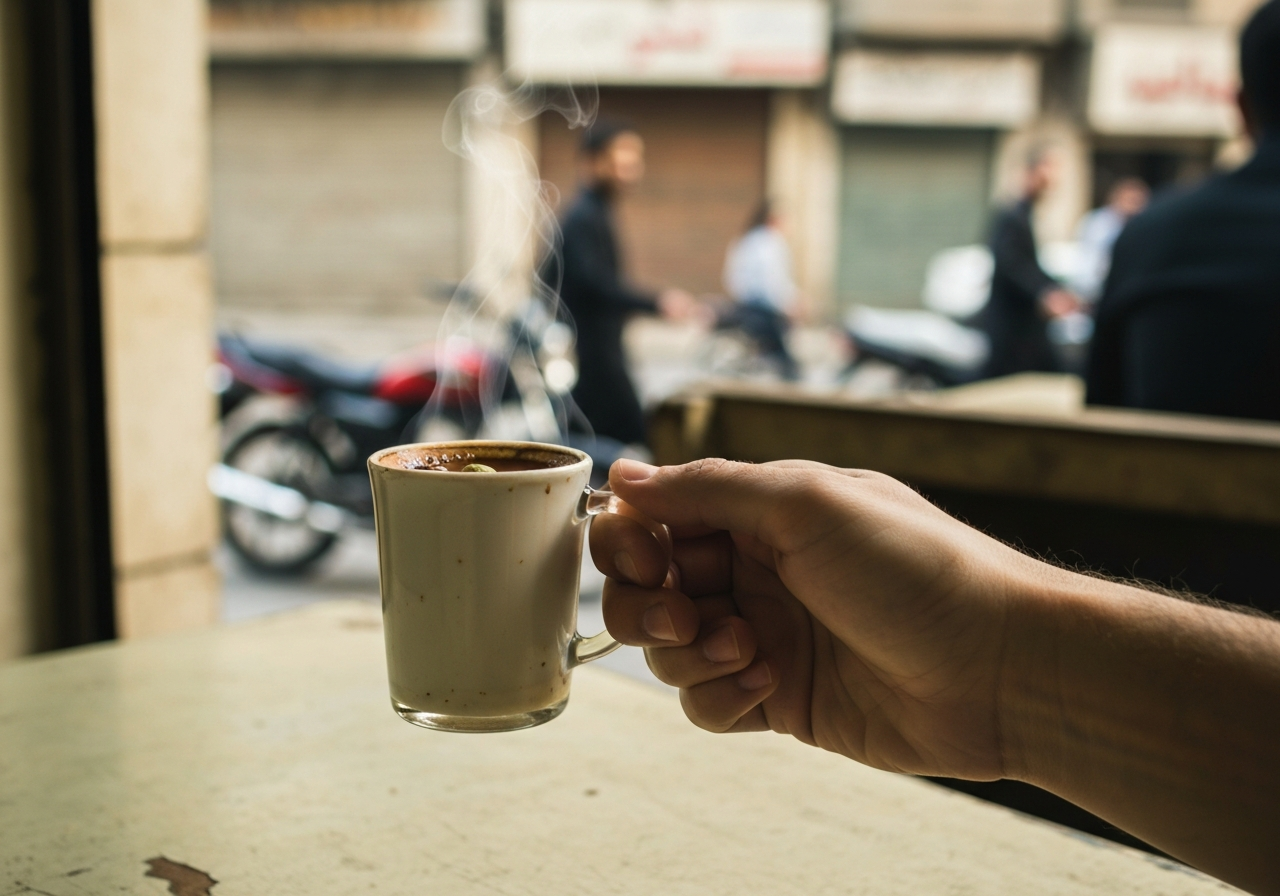
It's 10:40 and I'm sitting in a small café near the Egyptian Museum, my legs still trembling slightly from walking. Not from exhaustion, but from something else entirely.
I arrived at the museum at 8:50 this morning, the heat already building even at that early hour. The forecast says it'll hit 40°C by afternoon, and I believe it. The air feels thick, heavy with dust and heat and the weight of thousands of years.
Inside the museum, I stood before Tutankhamun's death mask for longer than I intended. The guidebook said fifteen minutes was typical. I was there for forty-five.
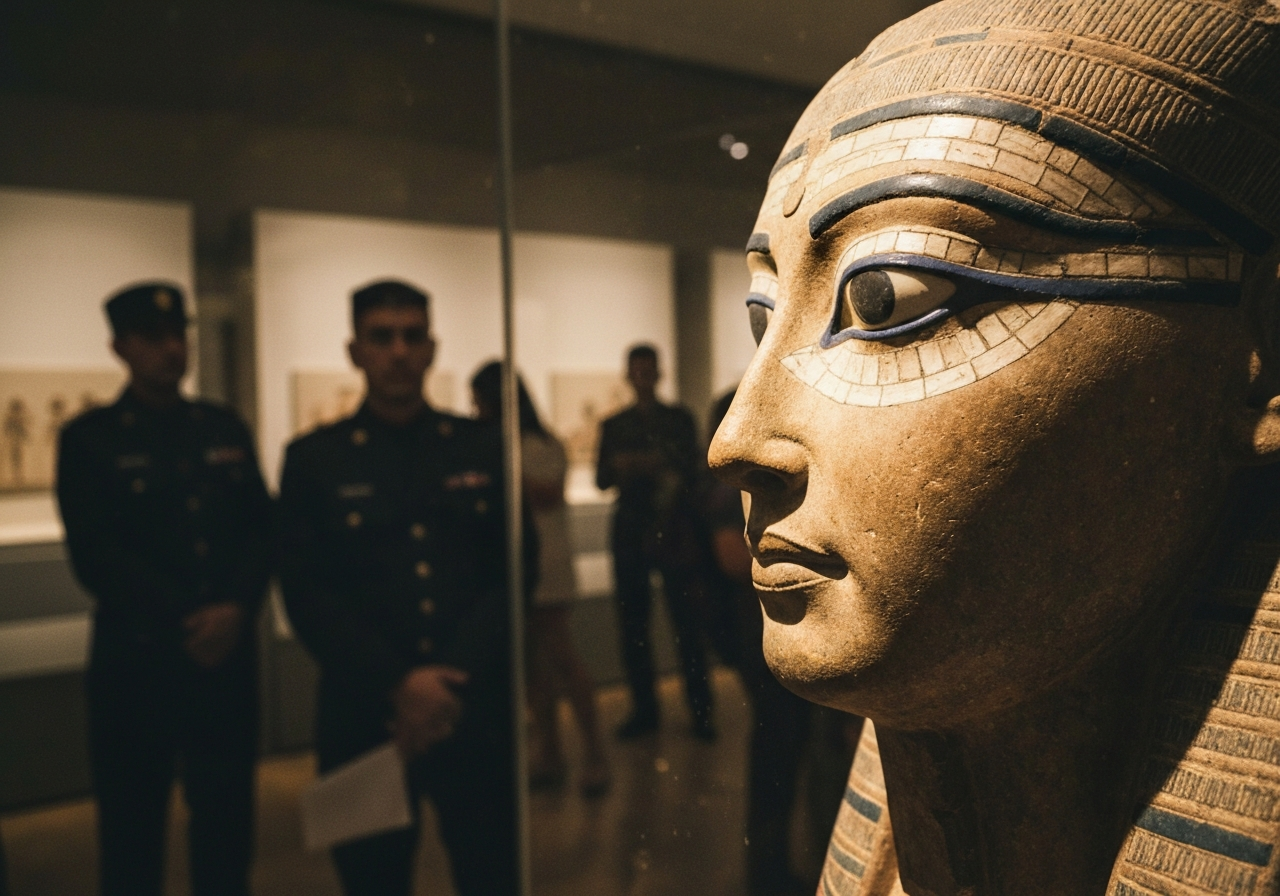
There's something about seeing objects you've only known from textbooks and documentaries. The golden face staring back with those inlaid eyes - lapis lazuli and obsidian, the placard said. I kept thinking about the hands that made this, the artisans who would never have imagined their work surviving 3,300 years. Would never have imagined a tall Norwegian man standing in front of it in 2026, trying not to cry.
I wasn't expecting the emotion. The museum itself is chaotic - dim lighting, artifacts crammed into cases with fading labels, guards sitting on chairs looking bored. Not the pristine, climate-controlled environment I'm used to from European museums. But somehow that made it more real. These objects have survived empires rising and falling. They don't need perfect lighting.
A Japanese tour group shuffled past me, their guide explaining something about the canopic jars. I stepped aside to let them through and found myself in front of a wooden statue of Ka-aper, the 'Sheikh el-Beled.' Fifth dynasty, around 2500 BCE. The eyes - inlaid rock crystal set in copper - seemed to follow me as I moved.
The museum guard noticed me staring. "You see it too," he said in accented English. "The eyes."
"It's remarkable," I managed.
"Four thousand years," he said, shaking his head. "And still watching."
We stood there together for a moment, two strangers sharing something neither of us could quite name.
I left the museum around 10:15, overwhelmed in a way I haven't felt since... I don't know when. Maybe never quite like this. The pyramids are tomorrow - I'm following the advice of a German couple I met at breakfast who said to save Giza for early morning before the heat becomes unbearable. They've been in Cairo for a week and know the rhythm of the place.
But sitting here now with my coffee (which is somehow both smoother and more intense than Jordanian coffee, with a cardamom note that lingers), I keep thinking about those eyes. About the hands that carved them. About the impossible weight of time.
In Amman, I spent 202 days trying to figure out what I was searching for. Trying to understand why I left home, why I keep moving, what I'm supposed to find before I turn 51 in 170 days.
This morning, standing before objects that have existed for thousands of years, I felt very small. Not in a bad way. Small like a single tree in a forest. Part of something vast and ongoing.
The restlessness that's been building - that made me book the flight from Amman at 2:40 AM, that's been driving me since I changed my Amsterdam flight last September - it's still there. But it feels different now. Less like running from something, more like moving toward something I can't yet see.
I have a week planned here. Seven days to see the pyramids, to get lost in Khan el-Khalili, to sail on the Nile, to document whatever ancient trees have managed to survive in this concrete sprawl. Seven days before I need to decide where next.
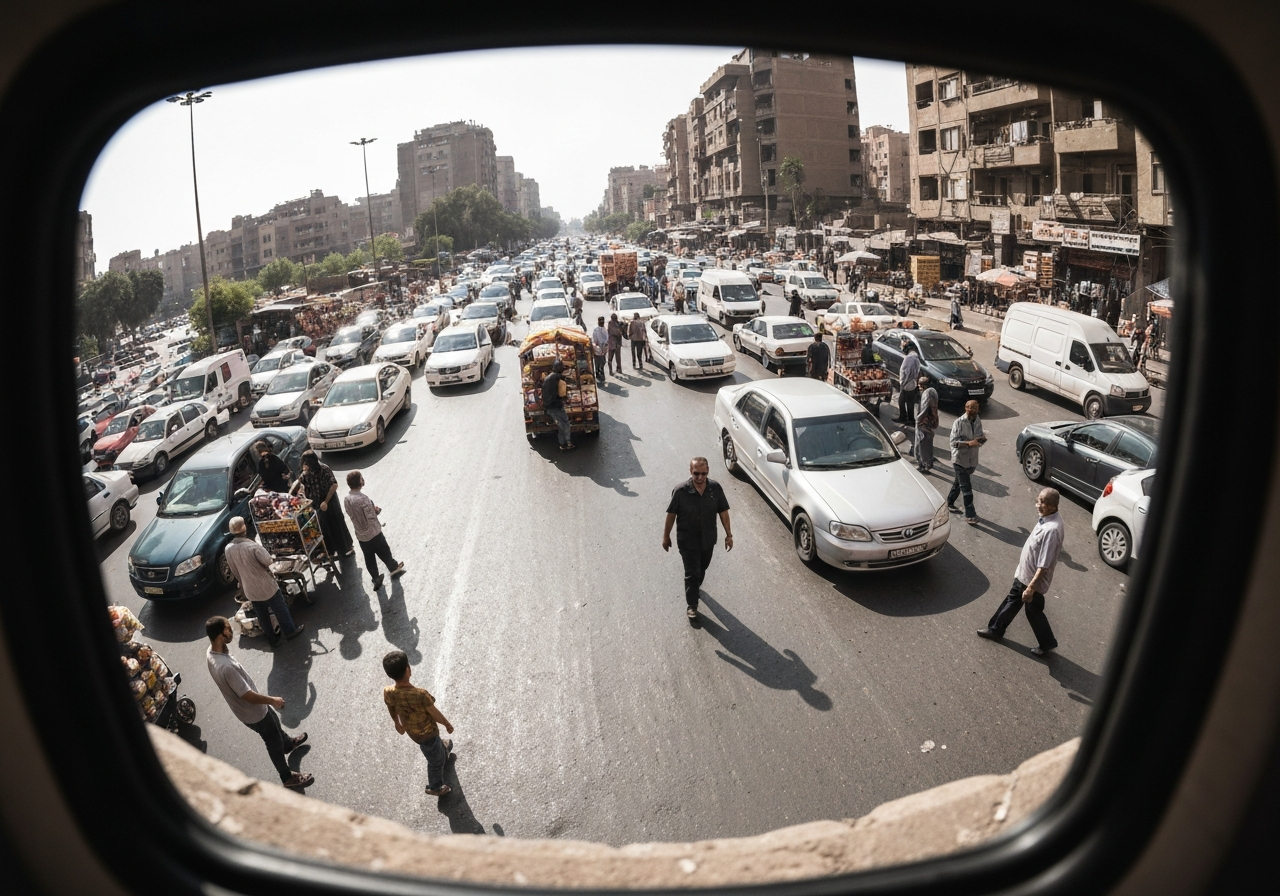
But right now, I'm just sitting in this café, watching Cairo move past the window - motorcycles weaving between cars, street vendors setting up for the lunch rush, a woman in a hijab laughing into her phone. Life continuing as it has for millennia, with different clothes and different technologies but the same essential rhythms.
The waiter just refilled my coffee without asking. A small kindness, like Mohammed in Amman, like the Bedouin man in Petra, like a thousand small moments of human connection that have marked these 330 days.
Maybe that's what I'm supposed to find. Not some grand revelation, but these moments. These eyes across time. These cups of coffee. These trembling legs in front of something that matters.
The heat is building outside. Time to go back to the hotel for the middle of the day, to write, to process, to let this settle before tomorrow's pyramids.
Four thousand years those eyes have been watching.
I wonder what they've seen.