
The weight of stone and time
It's 20:50 and I'm sitting on the narrow balcony of my hotel room in Wadi Musa, looking out at the darkened mountains that hide Petra. My legs are telling me exactly how many steps I climbed today - the Monastery alone is 800 steps carved into rock, and my knees are filing formal complaints.
I woke at 05:30, which felt almost rebellious for someone who usually sets three alarms. But I wanted to be at the entrance when it opened at 06:00, to walk through the Siq before the tour groups arrived. The hotel owner looked at me like I was slightly unhinged when I appeared in the breakfast room that early, but he made me coffee and packed some bread and cheese without comment.
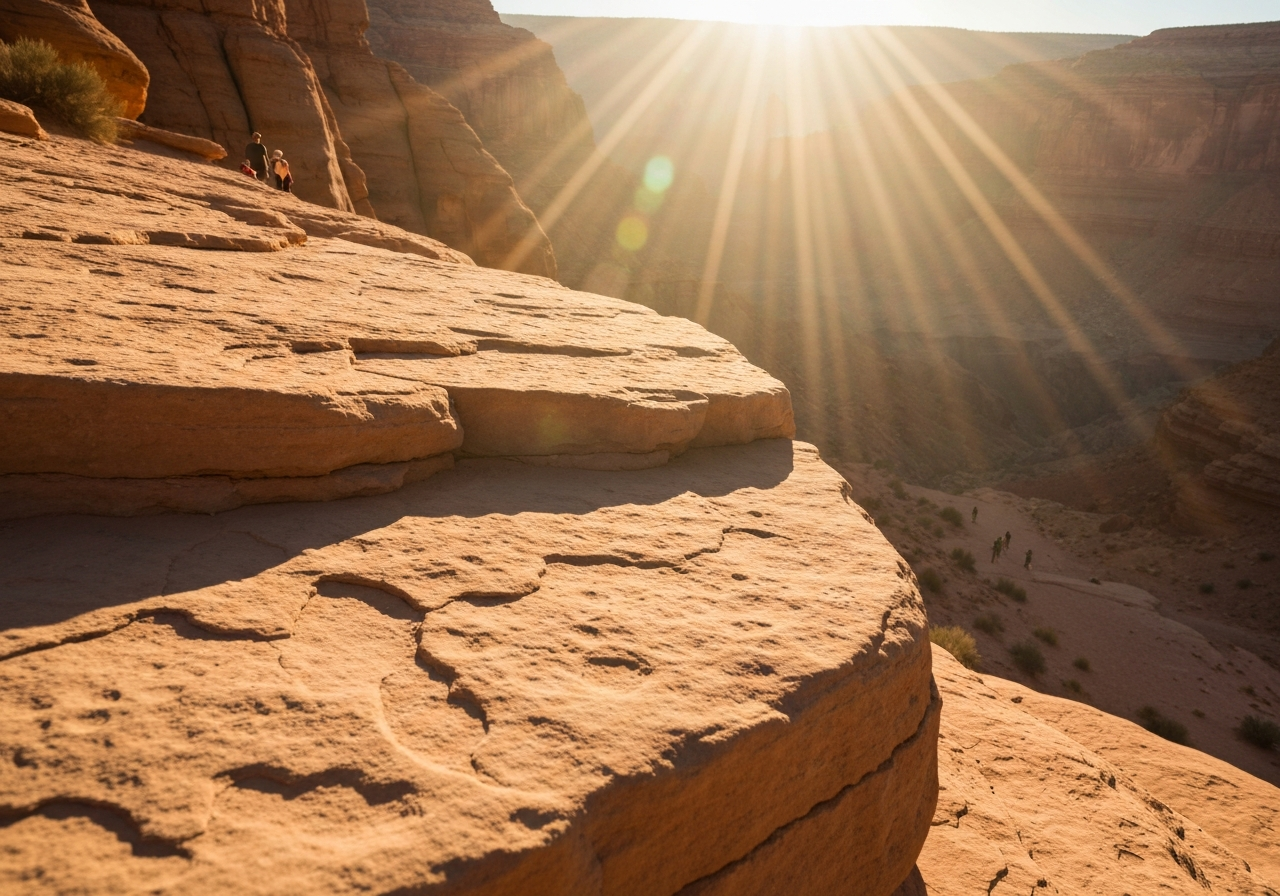
The walk through the Siq in early light was everything I'd hoped. The canyon walls rose 80 meters on either side, the morning sun just beginning to touch the top edges while the path below stayed in cool shadow. The silence was profound - just my footsteps and the occasional bird. No guides calling out, no camera clicks, no diesel fumes from the horse carriages that would come later.
And then the Treasury appeared through the narrow opening, exactly as it does in every photograph you've ever seen, except completely different. The morning light hit the carved facade at an angle that made the rose-red sandstone look almost golden. I stood there for maybe twenty minutes, just looking. A few other early risers arrived, and we all maintained this unspoken agreement to be quiet, to not break whatever spell the place was casting.
I'd planned to see everything today - the Royal Tombs, the Street of Facades, climb to the High Place of Sacrifice, hike all the way to the Monastery. My punctual brain had scheduled it all out: two hours here, one hour there, be at the Monastery by 14:00 for optimal light.
But standing in front of the Treasury, watching the light change minute by minute, I realized I didn't want to rush. These structures have been here for 2,000 years. They could wait another day for my schedule.
So I spent the morning just... wandering. I explored the Street of Facades, ducked into several of the smaller tombs that most tourists skip. Found a spot near the Roman Theater and sat for an hour, watching the site wake up as tour groups began to arrive.
Around 11:00, I finally started the climb toward the Monastery. The guidebook said 45 minutes. It took me nearly two hours, partly because I'm not as fit as I pretend, partly because I kept stopping. There's something mesmerizing about the way the rock changes color - deep red to pale pink to almost white, all within a few meters.
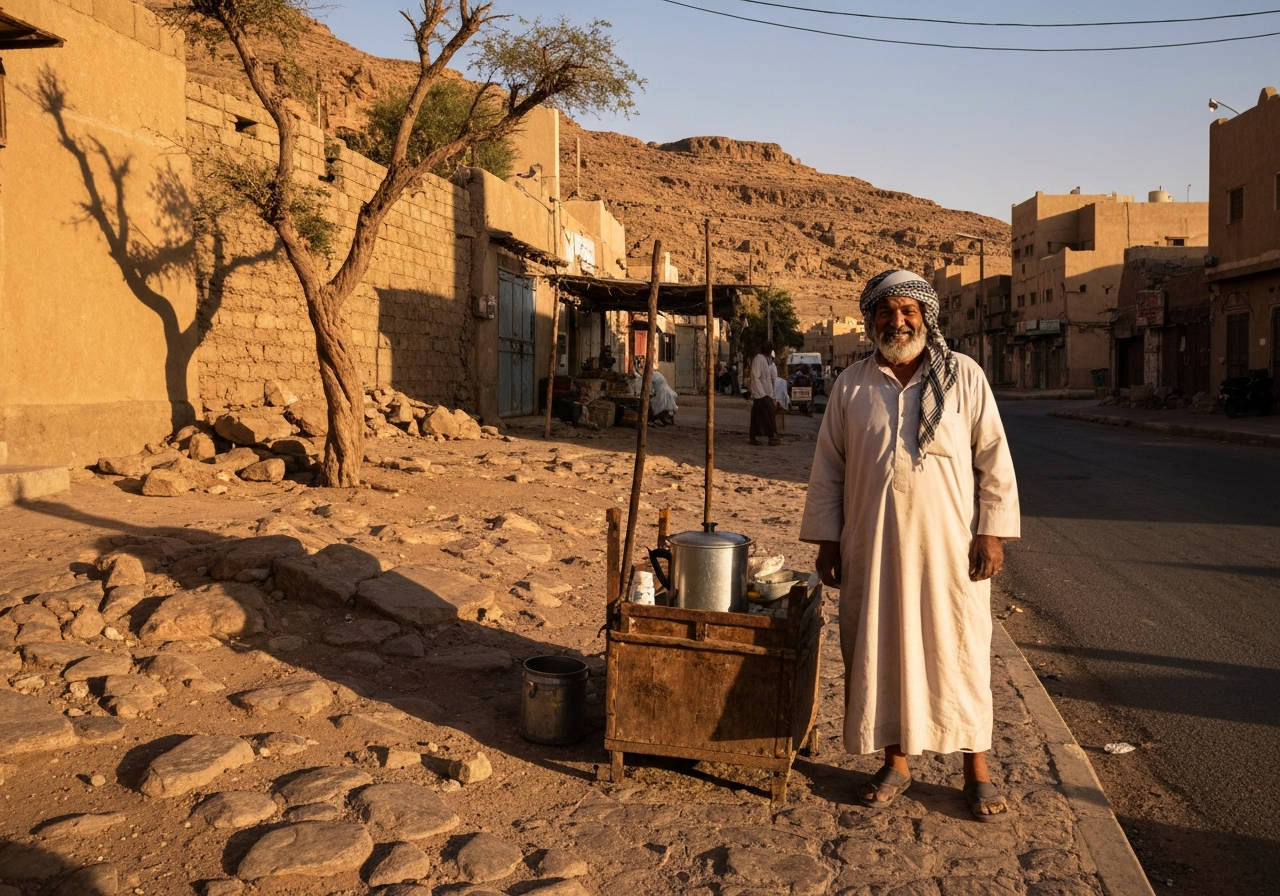
A Bedouin man with a tea stand halfway up the trail called out to me. "You need rest, tall man! Your legs are too long for these steps!" He wasn't wrong. He made me sweet tea and we sat in the shade of his small shelter while he told me about the trees that somehow survive here - twisted, tough things clinging to cracks in the rock. He said his grandfather planted some of them fifty years ago, watering them by hand until they learned to find their own moisture.
"Like people," he said. "They learn to survive anywhere, if they must."
I thought about that the rest of the way up.
The Monastery is larger than the Treasury but somehow less delicate, more imposing. I sat on the rocks in front of it, eating my squashed bread and cheese, watching other tourists arrive, take their photos, and leave within ten minutes. I stayed for nearly two hours.
It's strange, being on day 339 of this journey. I have 161 days left - less than half of what I've already done. When I started, 500 days felt infinite. Now it feels like I'm running out of time, like there's too much world and not enough days to see it properly.
But sitting there in front of the Monastery, I wondered if that's the wrong way to think about it. These structures were carved by people who knew they'd never see them finished. The nabataeans who started the Treasury probably died before it was complete. They were building for something beyond their own timeline.
I'm trying to change before I turn 51, to figure out how to change the world. But maybe that's also the wrong scale. Maybe transformation isn't something that happens in 500 days. Maybe it's more like those trees the Bedouin grandfather planted - you put something in motion and trust it will find its own way to survive.
I made it back down around 17:30, legs shaking, completely exhausted. The hotel owner took one look at me and brought me cold water without asking. "First time people, they try to see everything in one day," he said. "You learn. Petra is not for rushing."
He's right. I have two more days here, maybe three. I'll go back tomorrow, explore the Royal Tombs properly, find the High Place of Sacrifice. But slower this time. At Petra's pace, not mine.
The mountains outside my window are completely dark now. Somewhere in that darkness, the Treasury is still standing, will still be standing long after I've gone home, long after my 500 days are a distant memory. There's something both humbling and comforting about that.
I should sleep. My legs are insisting on it. But I'm not quite ready to stop looking at these mountains yet.