A morning visit to the Aswan High Dam
The alarm on my phone chirped at 6:30 this morning, and for once, I didn't mind the early wake-up. I had arranged with Ibrahim, the friendly taxi driver who brought me from the airport on Saturday, to pick me up at 7:30 for a visit to the Aswan High Dam.
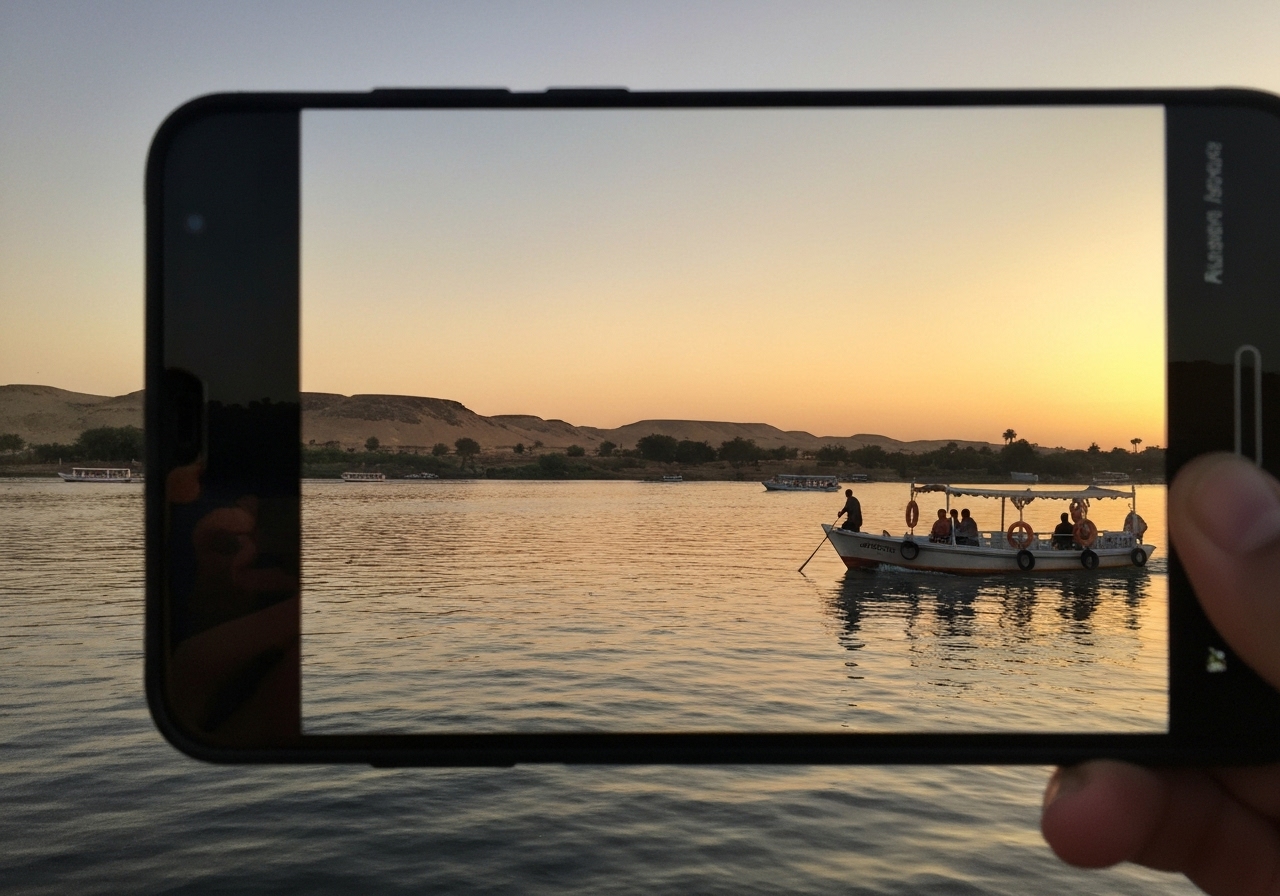
I arrived in the hotel lobby at 7:20, as is my habit, and used the extra time to sip a quick coffee while watching the early morning light play across the Nile. Ibrahim pulled up precisely at 7:30, greeting me with a warm smile.
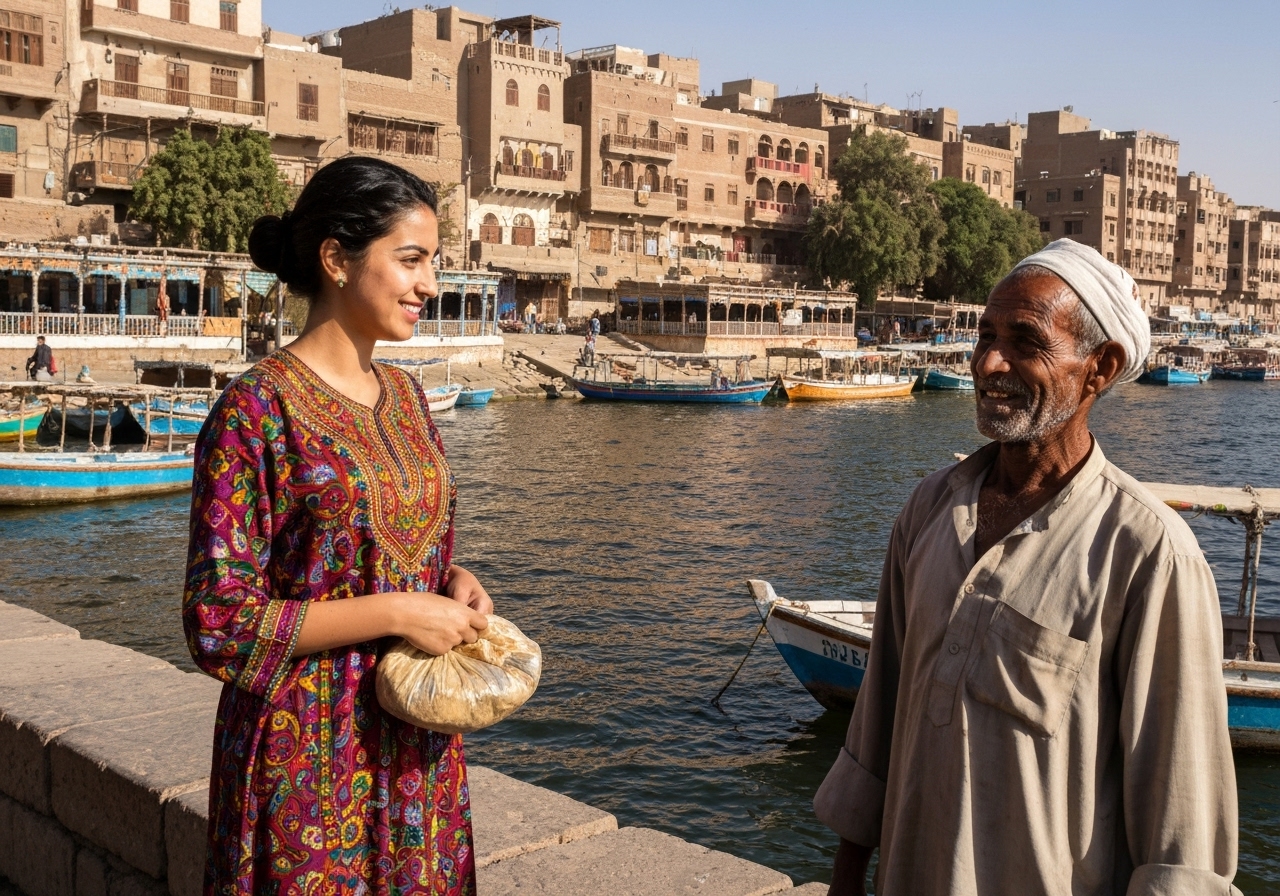
"Good morning, Mr. Ruben! Perfect timing for the dam - not many tourists this early."
The drive took about 30 minutes, during which Ibrahim shared fascinating snippets about the dam's importance to modern Egypt. Built in the 1960s with Soviet assistance, it fundamentally transformed Egypt's relationship with the annual Nile floods that had shaped civilization here for millennia.
"Before the dam, the Nile would flood every year," Ibrahim explained. "Good for farming, yes, but unpredictable. Now we control the water."
We arrived at 8:00, just as the site was opening. The security check was thorough but efficient, and by 8:10, I was walking along the top of this massive structure that stretches nearly 4 kilometers across the Nile.
What struck me most wasn't just the engineering achievement, but the stark visual contrast on either side of the dam. To the north lies Lake Nasser, an enormous reservoir stretching all the way to Sudan, while to the south, the Nile continues its ancient journey through a narrow valley toward the Mediterranean.
I spent nearly an hour walking the length of the dam, stopping frequently to take photos and read the informational plaques. The scale is difficult to comprehend - this single structure controls the lifeblood of an entire nation. The morning sun cast long shadows across the concrete, and a pleasant breeze kept the temperature comfortable.
A security guard noticed me studying one of the Soviet-Egyptian friendship monuments and approached. His English was limited, but he proudly pointed to various features, repeating "very strong" with a thumbs-up.
I asked if he'd worked here long.
"Fifteen years," he said, beaming. "My father helped build."
That generational connection to the dam seemed to represent something larger about Egypt - the intertwining of ancient history with modern development. The pharaohs built monuments to last millennia, and here was Egypt still building structures meant to endure for centuries.
![The massive Aswan High Dam with Lake Nasser visible in the background]()
By 9:30, I had seen most of the dam and headed back to meet Ibrahim. On the return journey, we stopped briefly at the Temple of Kalabsha, which had been relocated when Lake Nasser formed behind the dam. Like Philae Temple, which I visited yesterday, it was moved stone by stone to save it from the rising waters.
I was back at my hotel by 11:00, with plenty of time to shower and plan the rest of my day. The botanical garden on Elephantine Island seems like a perfect afternoon destination - I've heard it contains some remarkable trees and plants adapted to this unique climate zone where the Nile Valley meets the desert.
Later, I might walk along the Corniche again as the sun sets. The quality of light here in Aswan has a magical quality, especially in the golden hour before dusk.
With just three days left before my departure to Abu Simbel, I'm trying to balance seeing the main sites with simply absorbing the atmosphere of this peaceful city. After the archaeological intensity of Luxor, Aswan's gentler pace feels exactly right.
The High Dam visit this morning has me thinking about human ambition and our attempts to control nature. The ancient Egyptians built temples and tombs to last forever, while modern Egyptians redirected one of the world's greatest rivers. Both represent our human desire to impose order on chaos, to create permanence in an impermanent world.
As day 111 of my journey unfolds, I'm increasingly aware of how these ancient sites and modern marvels are shaping my perspective. The countdown - 389 days remaining - sometimes feels both too long and too short. Too long to be away from familiarity, too short to truly understand the world.
But for now, I'll focus on what's directly in front of me: the botanical garden awaits, and I'm curious what species I'll discover there this afternoon.
![Morning light on the Nile as seen from my hotel balcony]()