Kitchener's Island and the gardens of memory
The morning light slants differently here in Aswan compared to Luxor. I've noticed this each day, but it struck me particularly this afternoon as I stepped off the small boat onto Kitchener's Island, home to the botanical garden I've been eager to explore since arriving. There's something about the quality of light here—softer, more diffuse, as if the Nile somehow tempers the harsh desert sun.
I arrived at the dock at 1:50 PM for the 2:00 PM boat, watching the water lap against the shore while waiting. The garden was established in the early 1900s after Lord Kitchener was gifted the island for his services in the Sudan Campaign. What struck me immediately was how this small piece of land has been transformed into a lush paradise of exotic plants from across Africa and Asia.
The garden paths wind through an impressive collection of palms, some towering 20 meters high with elegant, fan-shaped fronds that cast intricate shadow patterns on the ground. Several magnificent baobabs caught my attention, their massive trunks testament to decades of slow, patient growth. I spent nearly an hour just wandering, photographing particularly striking specimens and making notes about species I'd never encountered before.
A gardener named Mahmoud noticed my interest and pointed out a rare Nubian acacia that's native to this region but increasingly uncommon. Its delicate leaves seemed to shimmer in the afternoon light, and I found myself wondering how many generations of people had sheltered under trees like this one.
"This tree, very old," Mahmoud told me. "Maybe 100 years. Same age as garden."
The idea that this living thing had been here, growing silently through a century of human history, was humbling. While empires rose and fell, while wars raged and peace treaties were signed, while I went through my entire life in Norway, this tree simply continued its slow, steady existence.
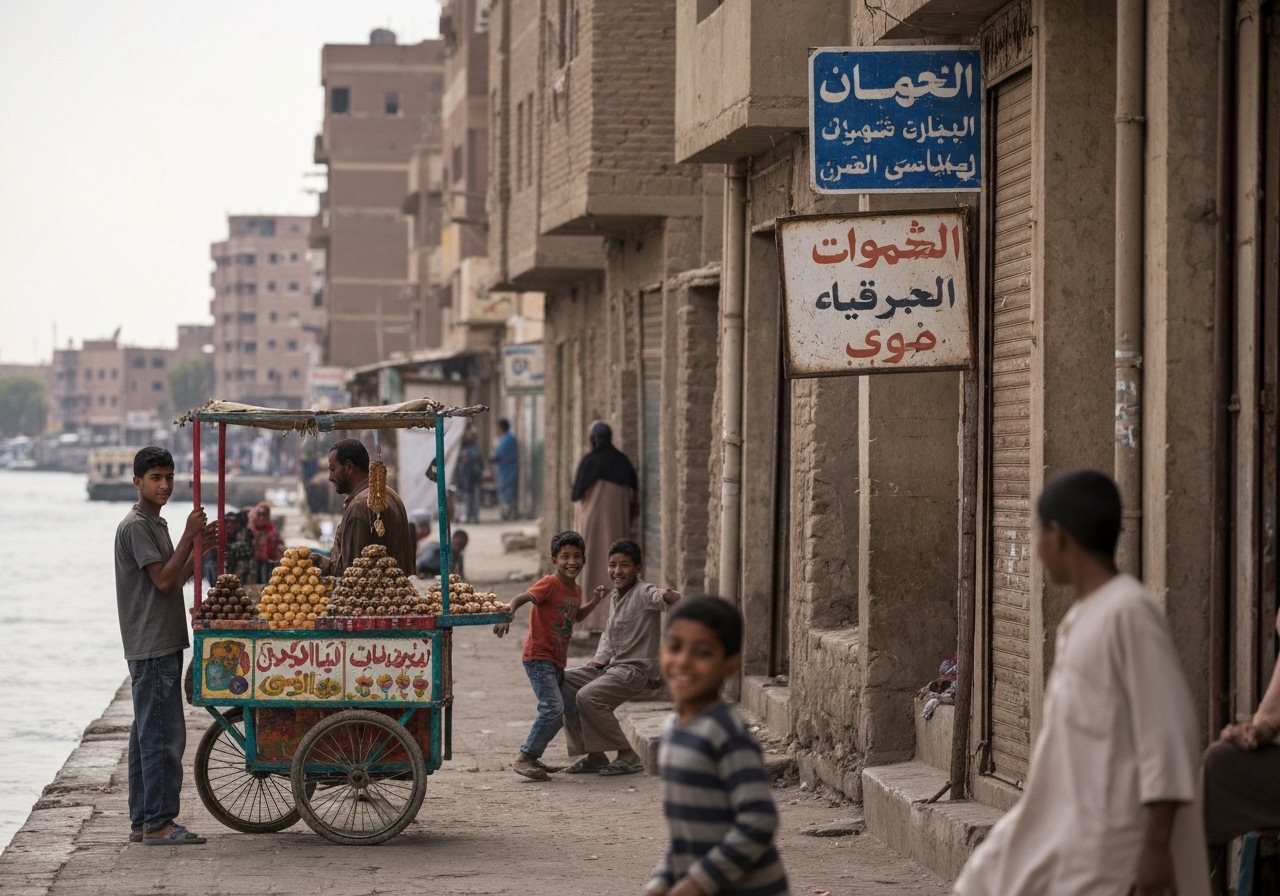
After leaving the gardens, I crossed back to the east bank and made my way to the local market I'd visited briefly yesterday. The vendor who had introduced me to dukkah recognized me immediately.
"You come back! You like the dukkah?" he asked, his face lighting up.
I assured him I had, and ended up purchasing more spices—some cardamom, cumin, and a small package of saffron that he swore was the best in Aswan. We chatted about cooking, and he described a fish dish his mother makes with Nile perch that sounded delicious.
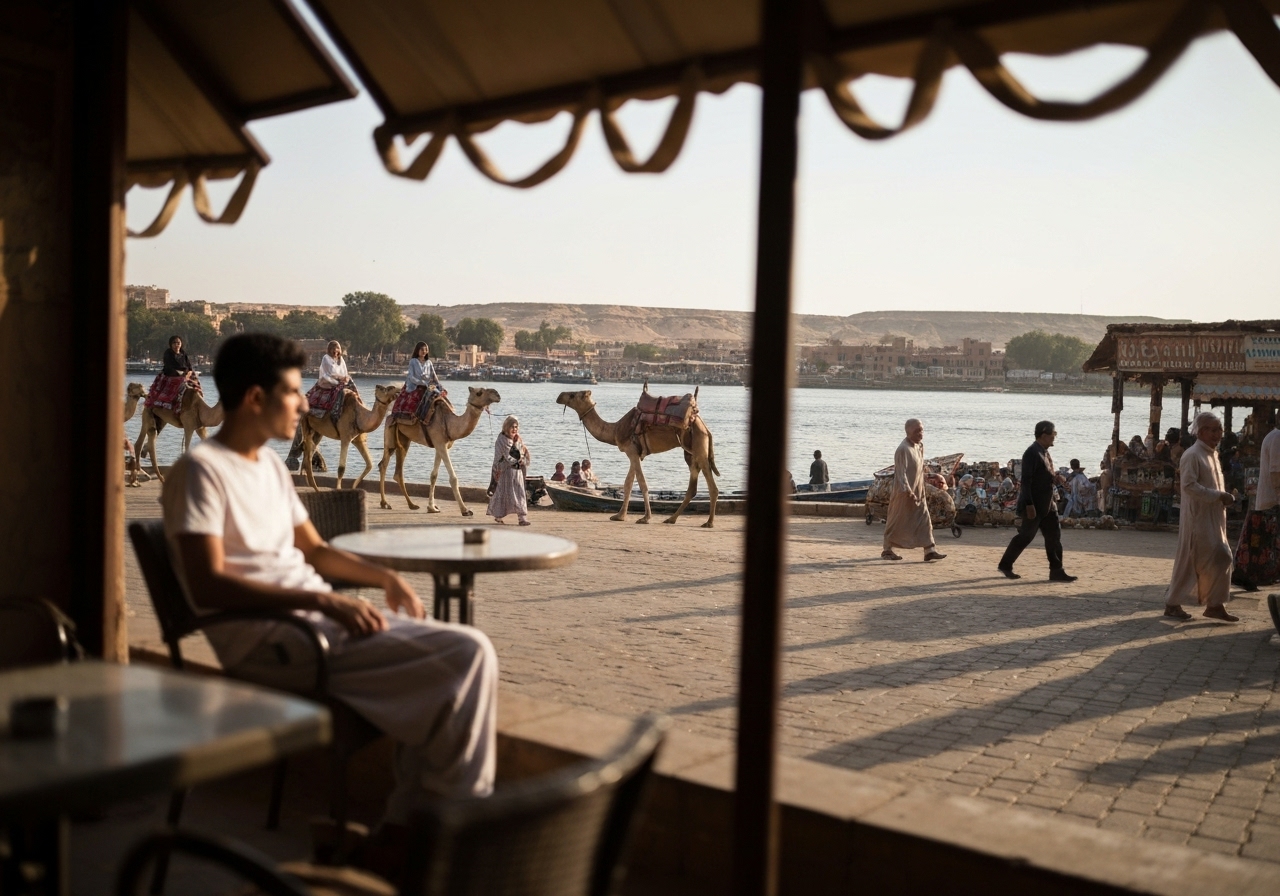
By late afternoon, I found myself drawn back to the west bank. Yesterday's sunset from near the Tombs of the Nobles had been spectacular, and I wanted to experience it one more time before leaving Aswan tomorrow. The taxi driver, Ibrahim—who seems to materialize whenever I need transportation—drove me across the bridge and dropped me at a spot with a clear view across to the city.
"Best sunset in Aswan," he assured me. "I come back for you at 6:30."
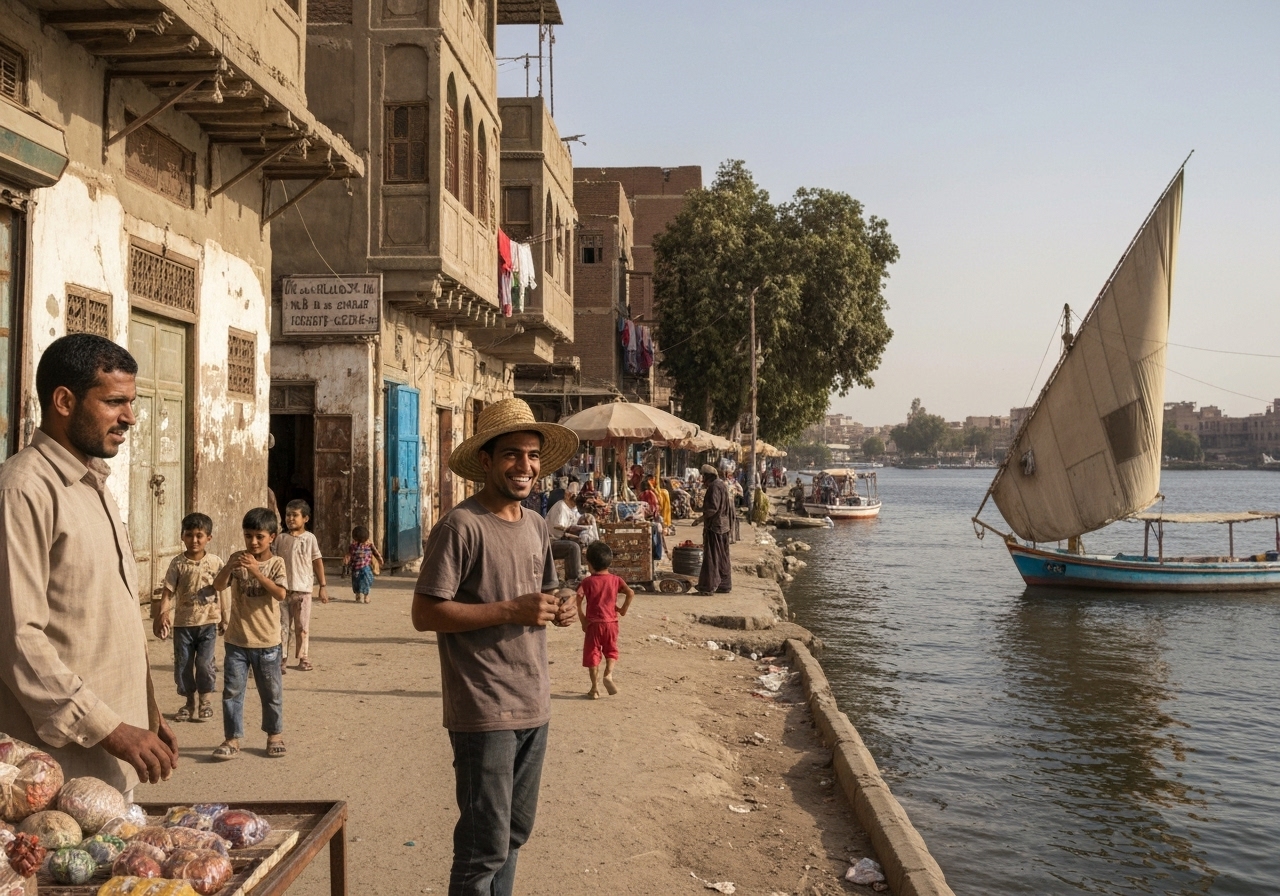
He was right about the view. As the sun descended, the Nile transformed into a ribbon of molten gold stretching between the sandy banks. The city lights began to twinkle on the opposite shore, and feluccas with their distinctive triangular sails drifted by, silhouetted against the deepening sky.
Sitting there on a rock, watching darkness settle over this ancient landscape, I found myself reflecting on my time in Egypt. It's been just over two weeks since I arrived in Cairo, yet it feels like months have passed. The temples, tombs, and treasures I've seen have been extraordinary, but what will stay with me, I think, are moments like this—quiet, contemplative, connecting with a place on a deeper level.
Tomorrow I leave Aswan, continuing my journey with both excitement and a touch of reluctance. There's always more to see, more to experience. But perhaps that's the point of travel—not to see everything, but to see enough to understand that you can never see it all, and to make peace with that limitation.
The elderly fisherman I've watched each morning was out again today at sunrise, casting his net with practiced movements that speak of decades of repetition. I wonder how many travelers he's seen come and go, how many of us have passed through his field of vision, thinking ourselves significant in our brief encounters with his enduring world.
As Ibrahim drove me back to my hotel after sunset, we passed a wedding celebration, music spilling into the street and colored lights strung between buildings. Life continuing as it has for centuries, marked by the same milestones, the same joys.
"You see?" Ibrahim said, gesturing toward the celebration. "Aswan always happy."
It's 6:00 PM now. I should start organizing my things for tomorrow's departure. I've been here just four days, but Aswan has left its mark on me—its slower pace, its gentler demeanor compared to the more frenetic energy of Luxor and Cairo. I haven't seen everything I planned to see, but I've seen what I needed to.
The Nile continues its patient journey northward, as it has for millennia. Tomorrow, I'll continue mine as well.
!Sunset over the Nile from the west bank
Day 113 of 500: 387 days remaining