Morning in Bethlehem: crossing boundaries and perspectives
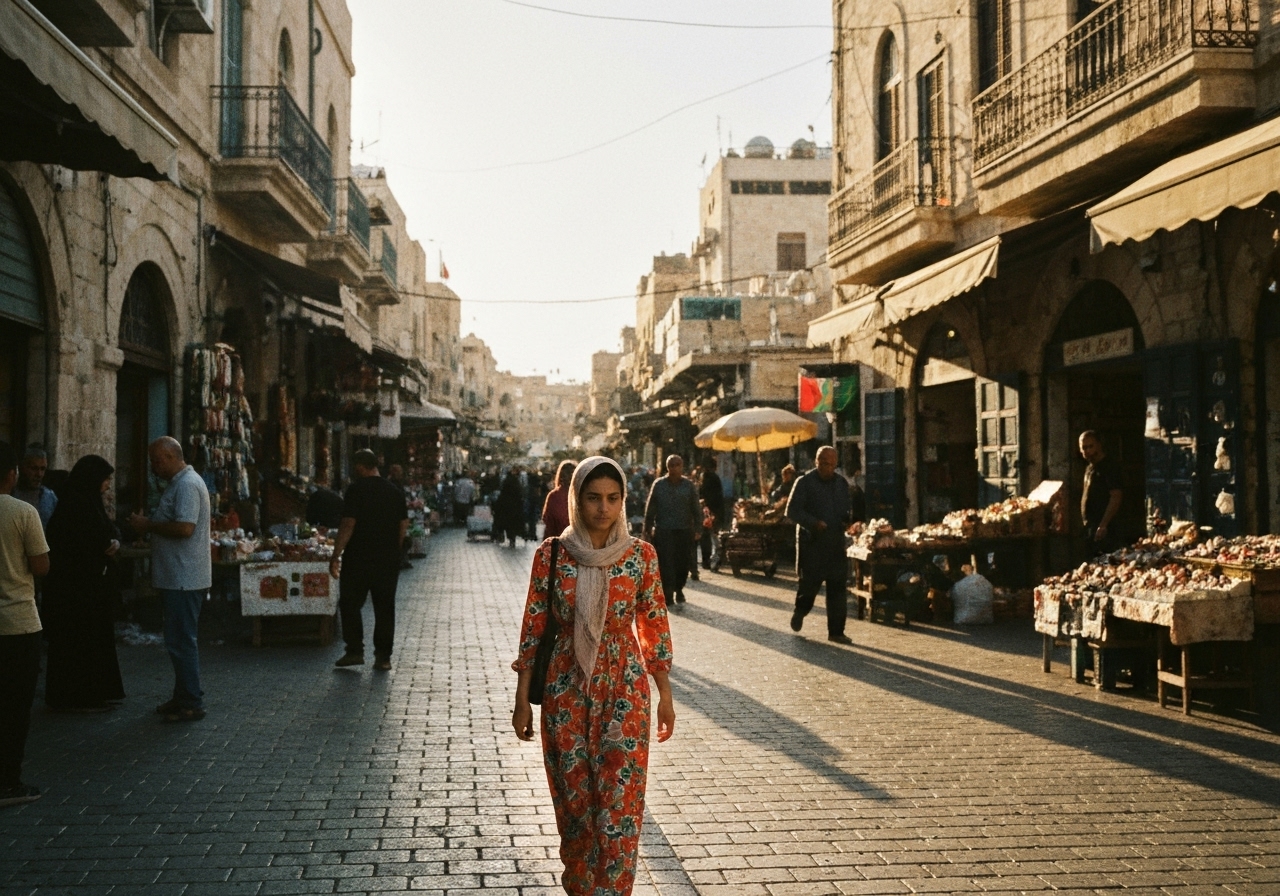
I'm sitting in a small café in Bethlehem, just a short distance from Manger Square. The morning sun is warming the stone buildings around me, creating that golden glow that makes everything look a bit magical. It's 10:10 am, and I've already been up for hours.
Getting here from Jerusalem was an experience in itself. I took a bus early this morning, crossing through the separation wall checkpoint. The contrast between Jerusalem and Bethlehem is immediate and stark - not just in the physical infrastructure but in the entire atmosphere. The wall itself is impossible to ignore, covered in graffiti ranging from political statements to artistic expressions of hope and resistance.
I arrived in Bethlehem around 8:30 am, dropped my small overnight bag at a modest guesthouse run by a local Palestinian family, and headed straight to the Church of the Nativity. I wanted to get there before the crowds, and my punctuality paid off. The church was just opening when I arrived, and for a few precious minutes, I had the space almost to myself.
The Church of the Nativity is surprisingly humble for a site of such significance. You have to duck to enter through the 'Door of Humility' - a small entrance that forces everyone to bow as they enter. Inside, the worn stone floors speak of centuries of pilgrims who have made this journey. Descending into the grotto where tradition holds Jesus was born, I found myself unexpectedly moved. Not necessarily by religious sentiment, but by the weight of human history and devotion concentrated in this small space.
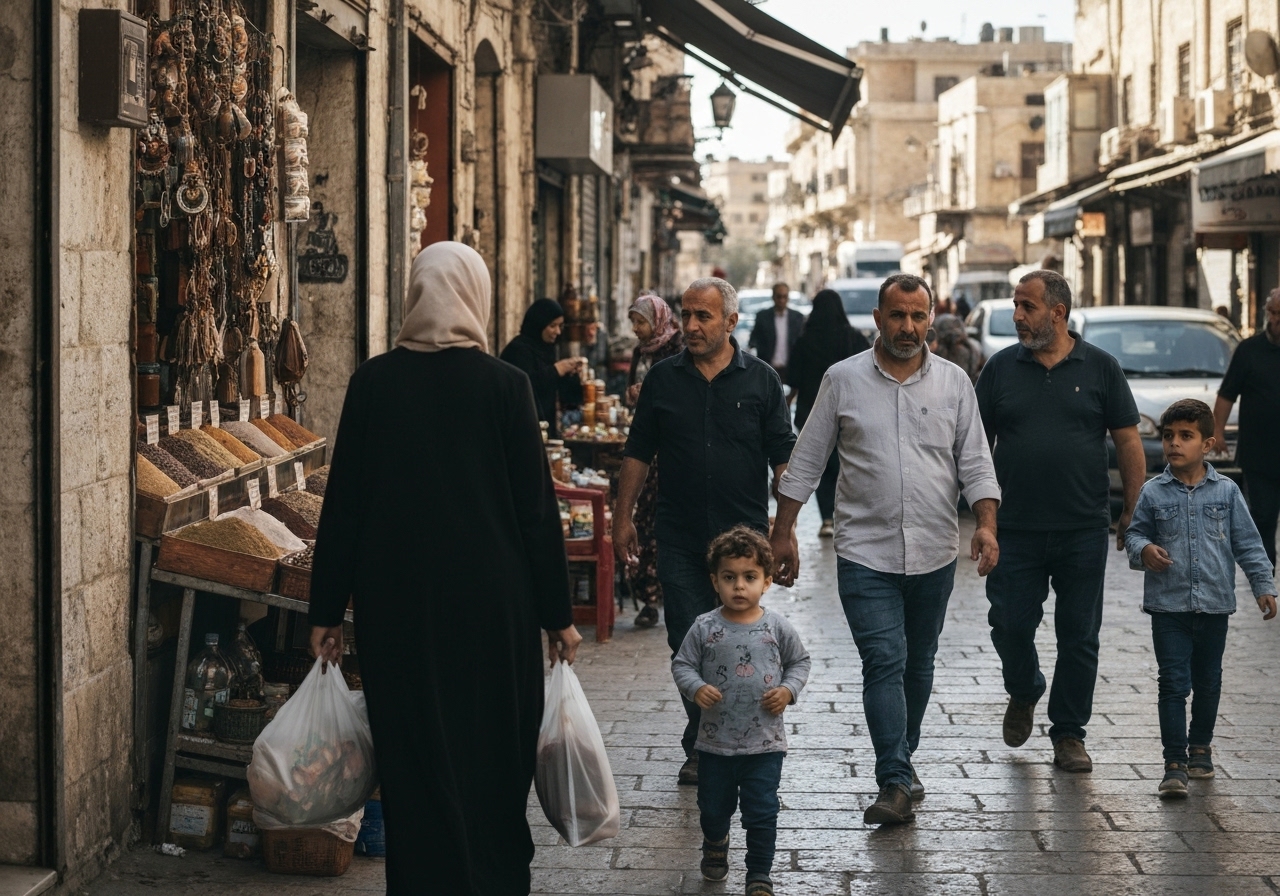
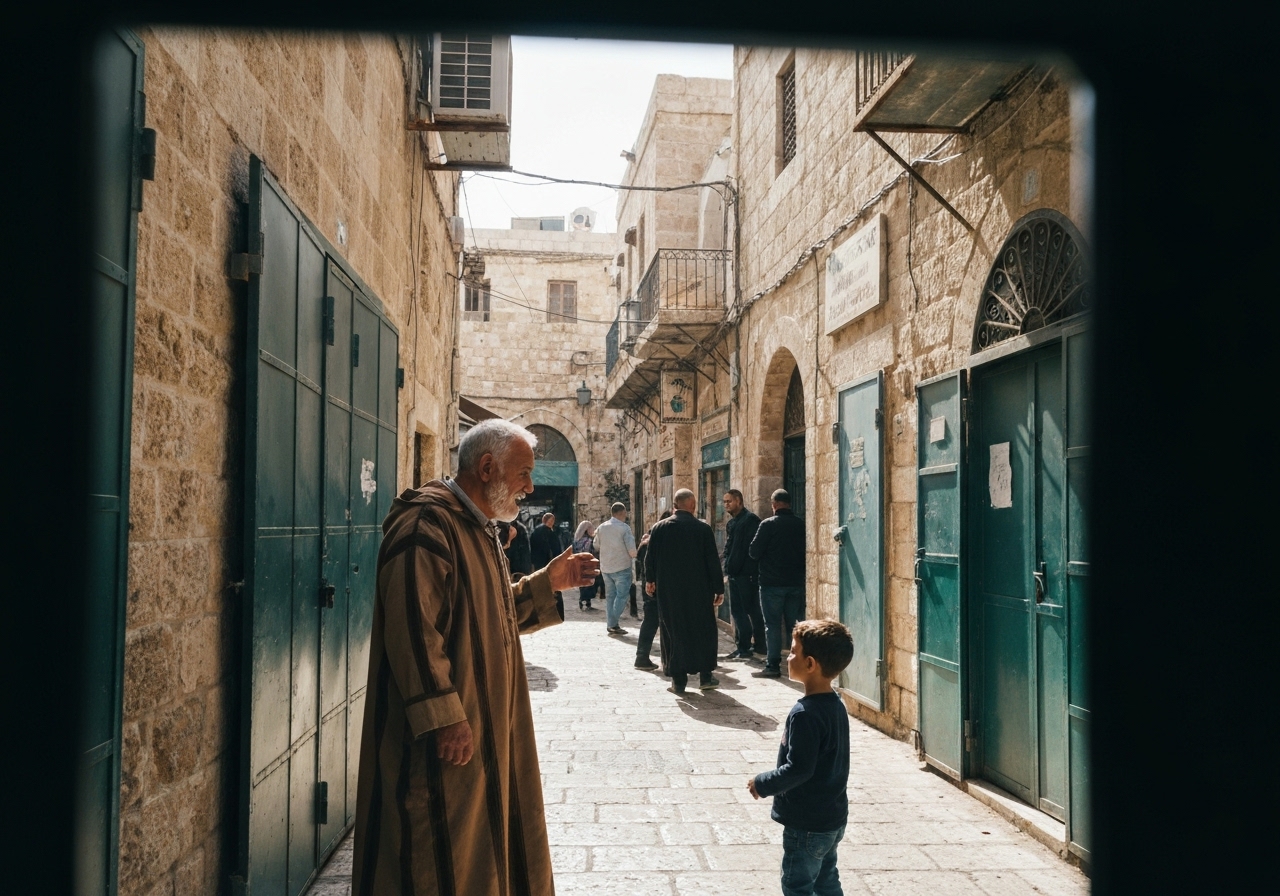
After leaving the church, I wandered around Manger Square, watching the city come to life. Shopkeepers were opening their stores, locals were going about their morning routines, and a few early tourists were beginning to appear. I stopped to help an elderly couple figure out their map - they were looking for the Milk Grotto Chapel but had their map oriented the wrong way.
Now I'm sipping a strong, cardamom-infused coffee and planning the rest of my day. I want to explore more of the city, particularly the areas near the separation wall to better understand its impact on daily life here. I've heard there's a museum called the Walled Off Hotel that offers perspective on the situation.
There's a solemn religious ceremony happening today for the Epiphany of the Lord. The Custos will be making a solemn entrance followed by vespers and a procession to the Grotto of the Nativity. I might try to observe some of this if timing allows.
I'm also drawn to the olive groves outside the city. There's something about these ancient trees that speaks to me - they've witnessed centuries of the region's complex history, standing as silent sentinels through it all. The morning light would be perfect for photography.
It's strange to think that I'm here, just days before my 50th birthday, in one of the oldest continuously inhabited places on earth. The juxtaposition of my personal timeline against the backdrop of this ancient landscape puts things in perspective. I'm 132 days into my journey with 368 days remaining - not even halfway through - yet I feel like I've already seen and experienced so much.
The weather is surprisingly pleasant for January - sunny and about 12°C according to my phone. Perfect for walking, though I've heard it might get cooler and rainier in the coming days.
I've noticed the news here is sobering. There were reports of settler attacks near Bethlehem just a few days ago. It's a stark reminder of the ongoing tensions in this region, something that feels very different when you're actually here versus reading about it from afar.
For now, I'll finish my coffee and head out to explore more of Bethlehem. There's a certain intensity to traveling in places with such complex histories - it demands more of you as a traveler, asks you to look beyond the surface and try to understand the many layers of human experience that have shaped the present moment.
Until later, Ruben