Sunday morning reflections in Nazareth
There's something about Sunday mornings that feels different, no matter where you are in the world. Here in Nazareth, the church bells started ringing early, pulling me from sleep around 7:30. I laid in bed for a while, listening to their echoes bouncing off the hills that cradle this ancient city.
It's day 145 of my journey, with 355 days still ahead. The halfway point approaches, and I find myself increasingly reflective about what I've seen and learned so far.
After a simple breakfast at the hotel (Elias's wife makes excellent olive oil and za'atar with fresh bread), I decided to take advantage of the morning light for photography. The weather forecast mentioned potential showers later, so I wanted to make the most of the clear skies while they lasted.
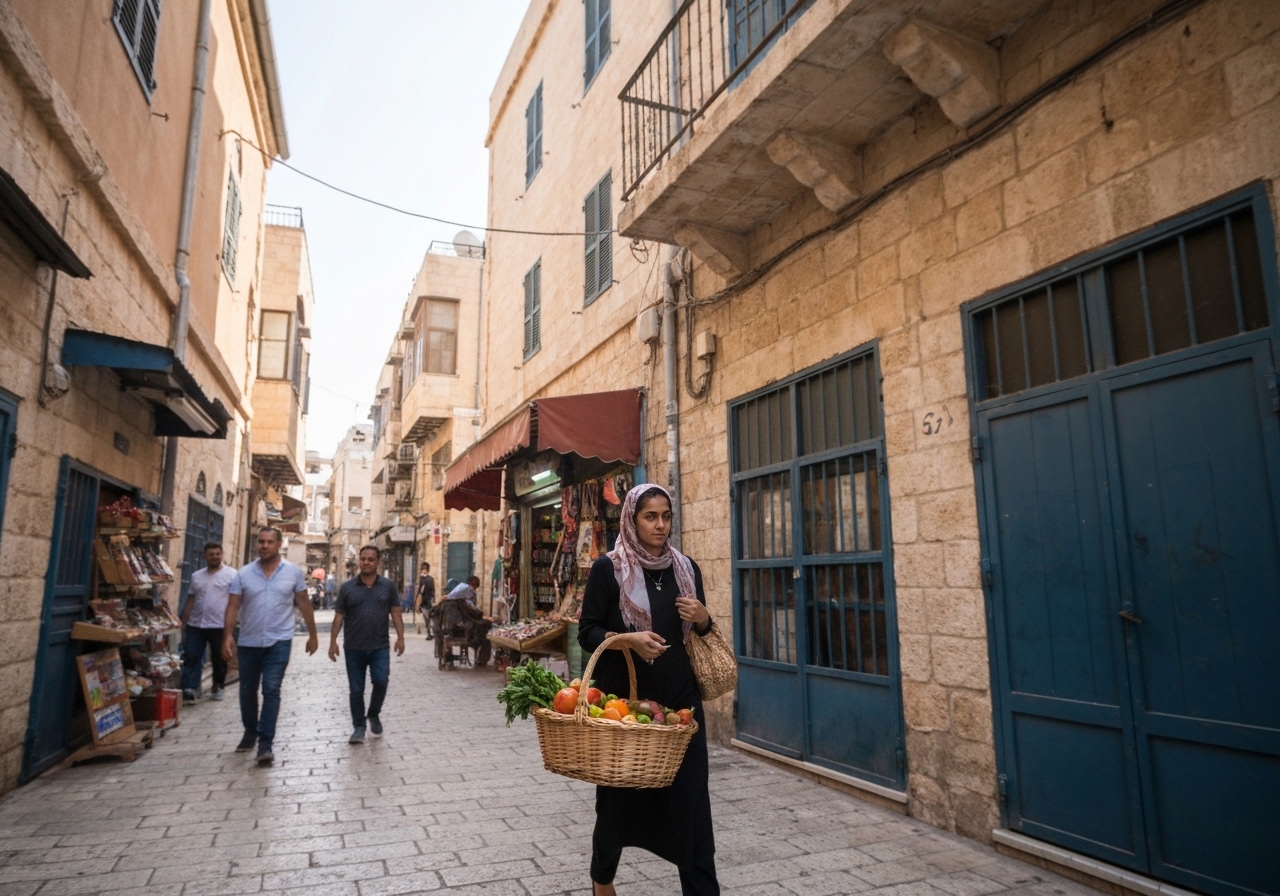
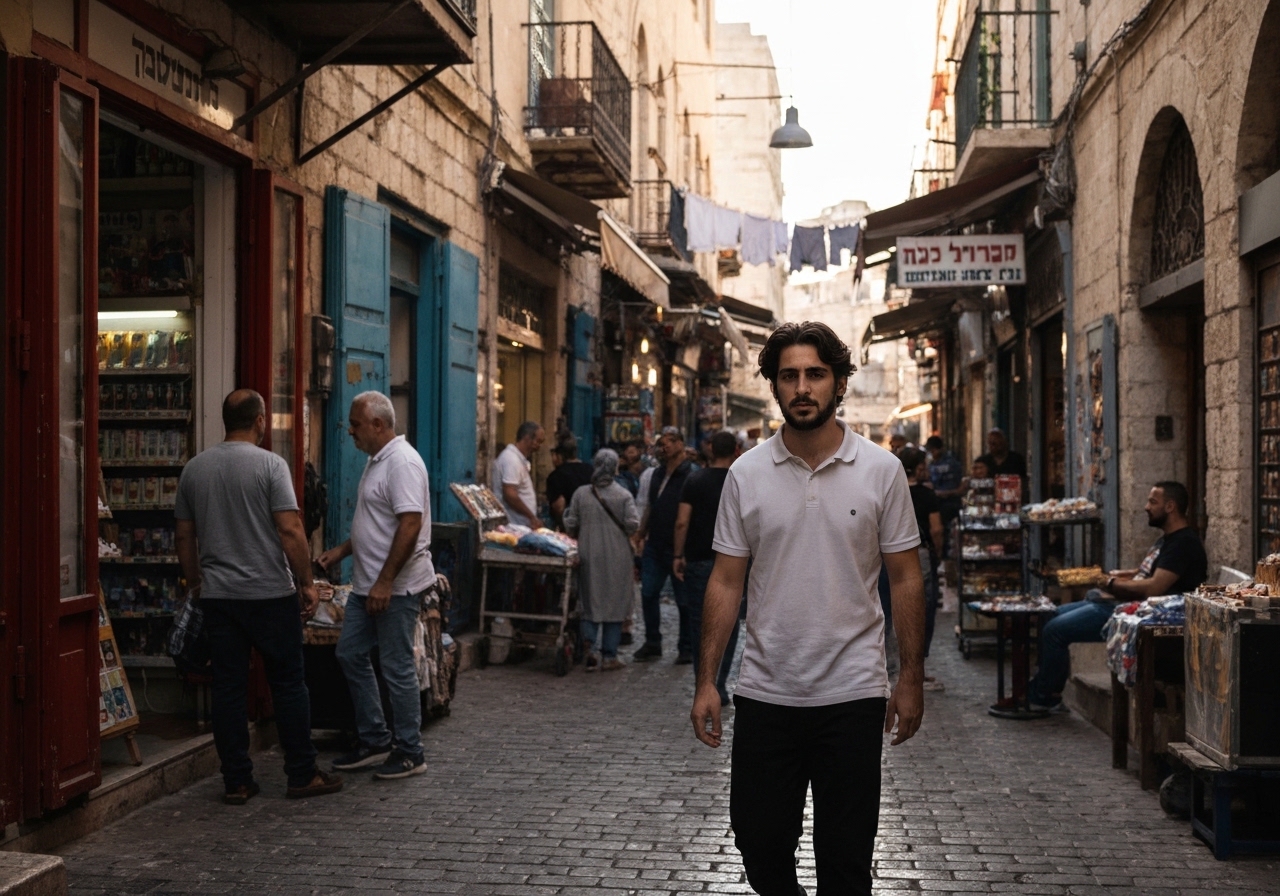
I headed out around 9:00, camera in hand. The city was just waking up, with some shops still closed and others just raising their shutters. Sunday is a working day in much of Israel, but Nazareth's significant Christian population gives parts of the city a more relaxed Sunday rhythm.
The temperature is cool today – about 10°C with a light breeze. I'm wearing a light jacket, which feels just right for walking uphill through the winding streets. The clouds have been gathering gradually since I left the hotel, creating a moody atmosphere that's perfect for photography.
The Ancient Bathhouse Museum
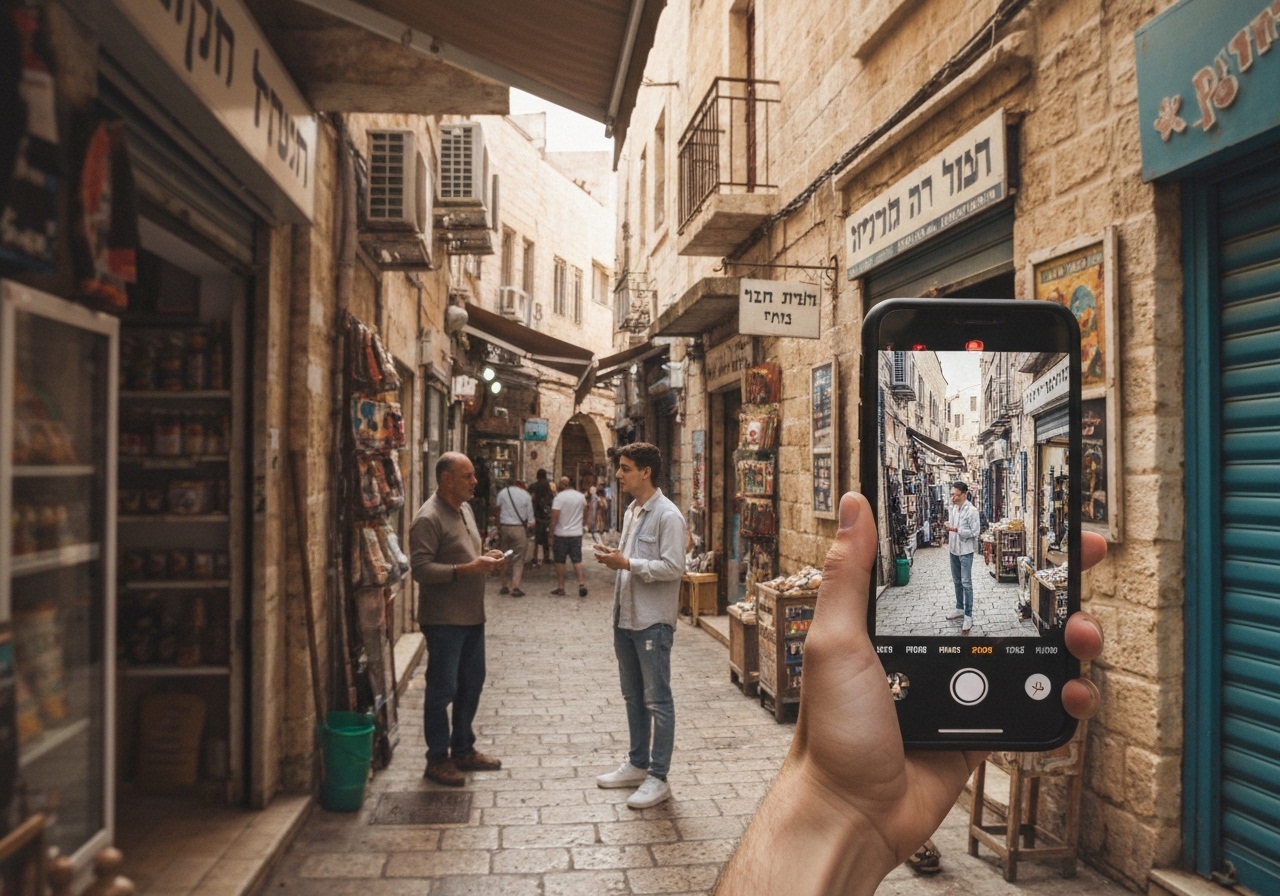
I arrived at the Ancient Bathhouse Museum at 9:50, ten minutes before their opening time. The small archaeological site was discovered accidentally in 1993 when a shop owner was renovating his souvenir store and uncovered the remains of a 2,000-year-old bathhouse from the Roman period.
When the caretaker arrived to open up, I was the first visitor of the day. He seemed pleased to have someone interested so early and took extra time explaining the significance of the site. The bathhouse likely existed during Jesus's lifetime in Nazareth, which creates a tangible connection to the past that feels remarkable.
The modest museum showcases ancient pottery, coins, and glass artifacts discovered during excavations. What struck me most was how the contemporary building was constructed around the archaeological site, preserving it while making it accessible. There's something poignant about a modern souvenir shop sitting directly above ruins from two millennia ago – layers of human commerce and community, separated by time but occupying the same space.
Trees of the Galilee hills
After leaving the museum, I walked toward one of the higher points in the city, wanting to compare the vegetation here with what I observed around the Sea of Galilee. The hills surrounding Nazareth are dotted with cypress and pine trees, creating dark green accents against the limestone buildings. Olive trees are everywhere, their silvery leaves catching the morning light.
Unlike the date palms that dominated the landscape in Tiberias, Nazareth's higher elevation and hillside position supports a different ecosystem. I stopped to photograph a particularly ancient-looking olive tree, its trunk twisted and gnarled with age. How many centuries of human drama has it witnessed?
The light began changing as clouds moved in, and I noticed the yellow warning flags for potential thunderstorms. According to my weather app, there's a yellow warning in effect until 2:00 PM for the Western Lower Galilee region. The recent heavy rainfall has apparently led to increased water levels in streams across Israel.
Plans for the day ahead
Now I'm back at a café near my hotel, warming up with a cup of coffee while watching the sky grow increasingly overcast. The locals at the next table are discussing the weather in Arabic, occasionally glancing upward with concerned expressions.
If the rain holds off, I plan to visit Mary's Well this afternoon and perhaps find a spot for a late lunch that offers traditional Galilean cuisine. Several people have recommended I try the local version of mansaf, a lamb and rice dish that varies across the Levant region.
I'm also considering how to spend my remaining time in Nazareth before moving on. The layered history here is fascinating – from ancient Roman times through Byzantine, Islamic, Crusader, Ottoman periods, and into the modern era. Each culture has left its mark on the city's architecture, cuisine, and traditions.
The rain has just started to fall lightly outside the café window. Perhaps this is a good day for museums and churches, saving the outdoor explorations for tomorrow when the forecast looks clearer. The yellow warning for thunderstorms has me reconsidering any hilltop walks I had planned.
For now, I'll finish my coffee and watch the rain create patterns on the ancient stones of Nazareth, thinking about all the generations who have sought shelter from similar storms in this very place.