
Finding my own pace
It's 15:40 and I'm sitting in a quiet corner of the Egyptian Museum, taking a break in the garden café. My legs needed the rest, and honestly, my brain did too.
I came here this morning when it opened at 9:00, arriving at 8:50 to find a small crowd already gathering at the gates. The museum sits in Tahrir Square, and even in the morning heat—already 30°C by the time the doors opened—the energy of the place was palpable.
Inside, it's overwhelming in a way that's hard to describe. Not just the scale of it—over 120,000 artifacts spread across two floors—but the weight. Room after room of objects that are thousands of years old, each one representing someone's life, someone's belief, someone's attempt to leave something behind.
I spent nearly two hours in the Tutankhamun galleries alone. The golden mask, of course, draws everyone, and yes, it's breathtaking. But I found myself more captivated by the smaller things: the sandals he wore, the board games he played, the writing implements. These felt more human somehow, more real than the grand treasures.
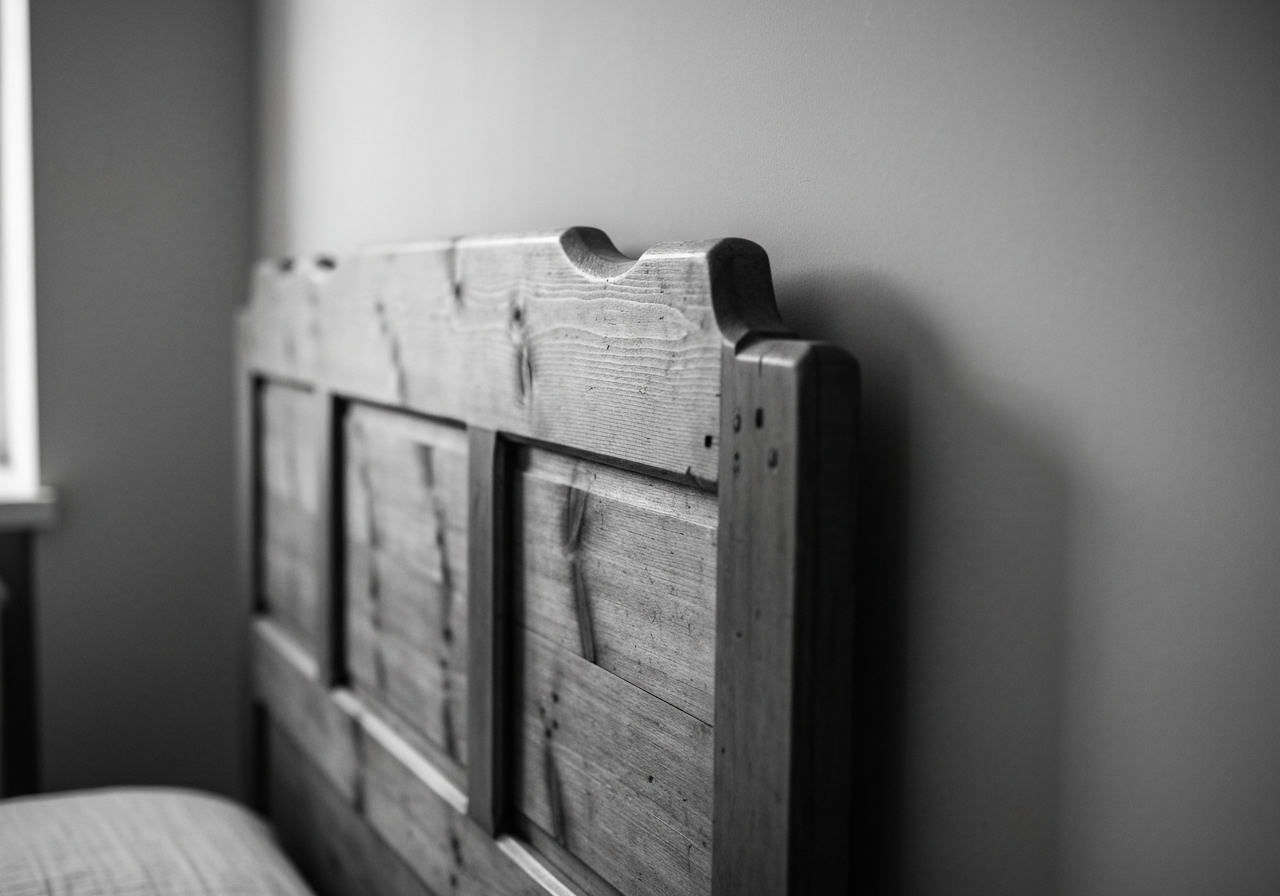
There was a wooden headrest that stopped me completely. Just a simple carved piece of wood, shaped to support the neck while sleeping. The label said it was over 3,300 years old. I stood there thinking about the person who used it, night after night, their head resting on that exact curve. Did they dream? What did they worry about before falling asleep?
Standing at the pyramids yesterday, I was awed by the scale of human ambition. Today, surrounded by these intimate objects, I'm struck by how little has changed about being human. We still sleep, still play games, still try to make ourselves comfortable.
Around 11:30, the museum started filling with tour groups. The quiet contemplation became difficult as guides competed with their volume, dozens of different languages echoing off the walls. I retreated to some of the less popular galleries—pottery, tools, everyday objects that most people rush past to see the gold.
In one room, I found a collection of ancient wooden combs. Some still had traces of hair caught in their teeth. That stopped me again. Hair from someone who lived 4,000 years ago, preserved by Egypt's dry climate. The person who used that comb had no idea their hair would outlast empires.
I'm not sure what I'm processing here in Cairo. The pyramids yesterday made me feel small in the face of grand achievement. Today, these everyday objects make me feel connected across impossible spans of time. Both feelings are unsettling in different ways.
The café owner here just brought me a second glass of mint tea without asking. He pointed at my notebook—this one, where I'm writing this—and said something in Arabic with a smile. I think he was asking if I'm a writer. I shrugged and said "travel blog," and he nodded as if that made perfect sense, even though I'm not sure it does.
What am I really doing here? I came to Cairo because I felt stuck in Europe, because I needed to push myself into unfamiliar territory. But now that I'm here, surrounded by evidence of lives lived thousands of years ago, my own journey feels both urgent and absurdly insignificant.
179 days left. That's how much time I have to figure out whatever it is I'm supposed to figure out. To find my purpose, to understand how I want to change the world, to become whoever I'm supposed to become before I turn 51.
But maybe the answer isn't in rushing to see everything, to check off every destination. Maybe it's in moments like this—sitting in a garden café, drinking mint tea, thinking about ancient combs and wooden headrests and the fact that humans have always been trying to make sense of their brief time here.
The temperature has climbed to 35°C according to my phone. The forecast says it'll reach 36°C today. Tomorrow might be even hotter. I'm learning to move slowly in this heat, to find shade, to drink more water than seems necessary. The city teaches you its rhythm if you let it.
I'm planning to visit Khan el-Khalili bazaar later this evening when it cools down a bit. Everyone says it's overwhelming—narrow alleys packed with shops, vendors calling out, the smell of spices and leather and coffee. Part of me is excited. Part of me is exhausted just thinking about it.
But I have two more days in Cairo after today. There's time. I don't have to see everything today.
That's a lesson I keep relearning on this journey: there's time. Not infinite time—179 days is a very finite number—but enough time to sit in a café and think about ancient combs. Enough time to let experiences settle before rushing to the next thing.
The café owner just brought me a small plate of dates. I didn't order them. He just smiled and gestured for me to eat. This city keeps offering me small kindnesses when I need them most.
I'm going to sit here a bit longer, finish this tea, eat these dates. Then maybe I'll go back inside for another hour, or maybe I'll walk along the Corniche and watch the Nile. The bazaar will still be there this evening.
For now, this moment is enough.